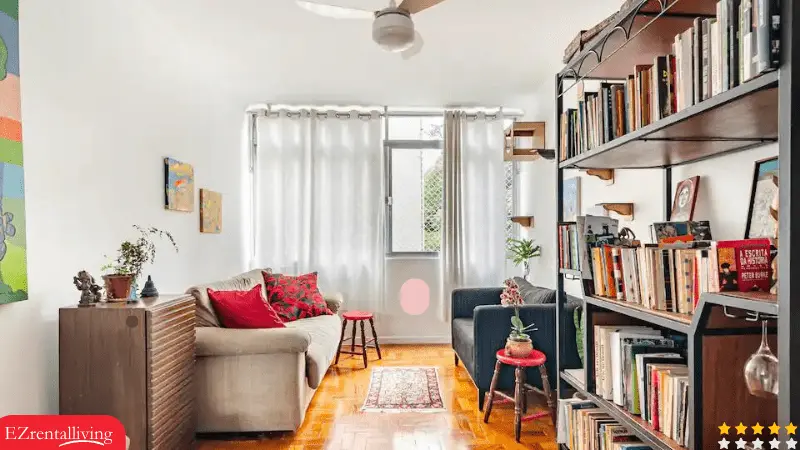
Noisy neighbors are one of the most common reasons people fall out of love with an apartment. The noise itself is annoying; the feeling that you cannot do anything about it is worse. The good news is that most noisy neighbor problems are solvable, and the solution is usually a process, not a confrontation: talk first, document what happens, know your rights, and escalate calmly if you need to. This is the people side of the problem. For the physical fixes — sealing gaps, adding soft furnishings, blocking sound — see how to soundproof an apartment. For more rental advice, browse our Apartment Guides.
TL;DR: How to Deal With Noisy Neighbors
- Talk to them in person first, calmly and at a good time — most neighbors do not know they are being loud.
- Put it in writing if talking does not work, keeping the note short, polite and specific about the noise and the times.
- Document every incident with dates, times, duration and, where you can, a short recording.
- Know your rights: your lease, your right to quiet enjoyment, and your local noise rules all matter.
- Escalate to your landlord, then to mediation or a formal complaint — and never retaliate with noise of your own.
1. Is It Worth Addressing?
Not every noise is worth a conversation. Apartments share walls, floors and ceilings, and some sound is normal: footsteps, a washing machine, a conversation at normal volume. Ask yourself three questions before you act.
First, is it excessive? A party at 2 a.m. is different from a baby crying at 7 p.m. Second, is it regular? One loud evening is annoying; the same noise every night is a pattern. Third, is it affecting your sleep, your work, or your health? If the answer to that last one is yes, it is worth addressing, even if the noise itself seems small.
If you have only just moved in, give it a week or two before you decide. New buildings sound louder than they are while you are still learning what is normal there, and you may find the noise settles into a pattern you can live with — or a pattern you can name precisely when you do raise it.
2. Talk to Them First — In Person, Calmly
Most noisy neighbors do not know they are being loud. Thin floors, a loud TV, a dog that barks when they are out — they may have no idea it reaches you. A calm, in-person conversation solves more neighbor noise problems than any other step.
Choose a good time: not in the middle of the noise, when you are angry, and not late at night. Knock during the day, introduce yourself, and be specific. “Hi, I’m Chris from downstairs. I can hear the music quite clearly after midnight, and I have to be up at six — would you be able to turn it down after eleven?” works far better than “You’re too loud.”
Assume good faith, listen to their side, and suggest a compromise rather than demanding silence. A specific time, a specific volume, or a specific day can be enough. Many people will apologize and fix it on the spot — and you have now met your neighbor, which makes every later step easier.
3. Put It in Writing
If a conversation does not fix it, or if you do not feel comfortable knocking on their door, put it in writing. A short, calm note is better than a long, angry one, and it creates a record.
Keep it to a few lines: who you are, what the noise is, when it happens, and what you are asking for. “Hi, I’m in apartment 4B below you. I can hear loud music most nights after midnight, and it’s keeping me awake. Would you be able to keep it down after 11 p.m.? Thank you — Chris.” Leave it at their door or in their mailbox, and keep a copy for yourself.
Avoid passive-aggressive notes, anonymous letters, or notes slipped under the door at 2 a.m. They make the other person defensive, and they do not help if you later need to show your landlord that you tried to resolve it reasonably.
4. Suggest a Compromise
A compromise is often more effective than a rule, because it gives your neighbor something they can actually do.
Ideas that work in practice: agree quiet hours that suit you both, suggest headphones for late-night TV or gaming, ask them to move a speaker away from a shared wall, or agree that weekend noise is more acceptable than weekday noise after a certain time. If the noise is a dog barking while they are out, suggest they leave the TV on, or ask if a dog walker could help.
You do not have to accept a compromise that does not solve the problem, but offering one shows good faith — and if you later escalate, it shows your landlord that you tried to be reasonable first.
5. Document Everything
From the moment you decide the noise is a problem, keep a simple log. For each incident, note the date, the start and end time, what the noise was, and how it affected you — “kept me awake until 2 a.m.”, “could not hear a work call”. If you can, take a short audio or video recording from inside your apartment, showing the time. Keep copies of every note, message and email you send, and every reply you receive.
This log is what turns “my neighbors are loud” into a case your landlord can act on. Landlords and mediators need specifics: dates, times and patterns, not general complaints. A two-week log showing the same noise at the same time, five nights a week, is far more persuasive than a single angry message.
6. Tell Your Landlord or Property Manager
If talking and writing to your neighbor have not worked, tell your landlord or property manager in writing. Send them your log, your notes, and a short summary of what you have already tried.
Ask them to speak to the other tenant, remind them of the lease noise rules, or inspect the apartment if the noise is caused by something structural, such as a faulty appliance or a floor with no underlay. Most leases include rules about noise and about not disturbing other tenants, and landlords have a reason to enforce them — a tenant who leaves because of noise is a lost tenant.
Follow up politely if you do not hear back, and keep a record of every message. If your landlord does nothing, that record matters for the next step.
7. Know Your Rights
You have more rights than most renters realise, and they vary by location, so check the rules where you live.
Your lease usually sets out noise rules, quiet hours, and the landlord’s duty to deal with tenants who break them. Read it. Quiet enjoyment is a legal concept in many places: as a tenant, you have a right to use your home without unreasonable interference, and your landlord has a duty to protect that right. Local noise ordinances set limits on noise at certain hours, and your council or local authority can enforce them. Your building may also have its own rules, set by the management company or owners’ association.
None of this means you can demand total silence. It does mean that regular, excessive noise at unreasonable hours is not something you simply have to live with. If you are unsure of your rights, a tenants’ advice service in your area can explain them in a few minutes, often for free.
8. Mediation, and Filing a Formal Complaint
If your landlord has not solved it, the next steps are mediation and, as a last resort, a formal complaint.
Mediation is a free or low-cost service in many areas, where a neutral third party helps you and your neighbor agree a solution. It works best when both sides are willing to talk, and it avoids the damage a formal complaint can do to a neighbor relationship.
A formal noise complaint goes to your local council or environmental health department, or to the police if the noise is happening right now and is severe. You will need your log, your recordings, and evidence that you have tried to resolve it. The authority may visit, measure the noise, and issue a warning or a fine. This is a last resort, not a first step — but it exists for a reason, and knowing it exists can be enough to make a landlord act.
9. What Not to Do
Some responses feel satisfying in the moment and make everything worse.
- Do not retaliate with noise. Playing loud music back, banging on the ceiling or shouting through the wall will not fix the problem, and it will undermine your case if you later complain.
- Do not confront someone angrily, late at night, or when alcohol is involved. If you feel unsafe, do not approach them at all — go straight to your landlord.
- Do not leave anonymous or threatening notes. They escalate the situation and they do not help your landlord or a mediator.
- Do not break your lease or move out over noise without advice. The rules on breaking a lease vary, and you may lose your deposit or owe rent.
Stay calm, stay specific, and stay in writing. That is the approach that gets results, and it is the approach that protects you if the problem continues.
10. Blocking the Noise in the Meantime
While you work through the process, you still need to sleep and work. Earplugs, a white noise machine, or noise-cancelling headphones can make a real difference in the short term. A fan or a white noise app can mask intermittent sounds, and soft furnishings — rugs, curtains, bookshelves against a shared wall — absorb some of the sound that reaches you.
These are coping measures, not solutions. Use them while you talk, document and escalate, and do not let them become the reason you stop pursuing a fix. For the longer-term physical fixes, including sealing gaps and adding mass to shared walls, see how to soundproof an apartment. If you are still choosing where to live, our guides on how to find an apartment and first apartment checklist help you spot thin walls and noisy buildings before you sign.
FAQ: How to Deal With Noisy Neighbors
What is the first step with a noisy neighbor?
Talk to them in person, calmly, at a good time. Be specific about the noise and the times, and suggest a compromise. Most neighbors do not know they are being loud, and a friendly conversation solves the problem more often than any other step.
How do I complain about noisy neighbors without causing a fight?
Keep it specific, polite and in writing. Describe the noise, when it happens, and what you are asking for — and keep a copy. Avoid anonymous notes, angry confrontations, or retaliation, all of which make the situation worse.
Can my landlord do anything about noisy neighbors?
Yes. Most leases include noise rules, and landlords can remind the other tenant of those rules, speak to them directly, or take further action if the noise continues. Send your landlord a written complaint with your log of dates and times.
What counts as excessive noise in an apartment?
Regular noise that is loud enough to disturb sleep or work, especially late at night or early in the morning, is usually considered excessive. One-off noise, normal footsteps, or conversation at normal volume usually is not. Your lease and local noise rules set the specific limits where you live.
Should I call the police about noisy neighbors?
Only as a last resort, or if the noise is severe and happening right now — for example, a party at 3 a.m. that will not stop. For ongoing problems, your landlord, your council, or a mediation service are usually the right first steps.
Final Thoughts
Dealing with noisy neighbors is a process, not a single confrontation. Talk first, write it down, document the pattern, and escalate calmly through your landlord and, if you need to, mediation or a formal complaint. Do not retaliate, do not lose your temper, and do not suffer in silence. Most neighbors will fix the problem once they know about it — and for the ones who will not, the paper trail you built is what gets it fixed.