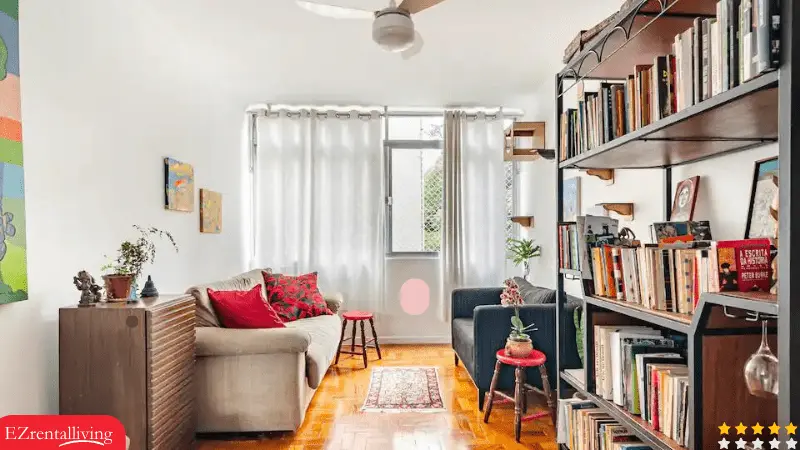
Townhouse vs apartment is a choice many renters face when they start wanting more room, a front door of their own, or a place to park right outside. A townhouse feels more like a house. An apartment is usually cheaper and easier to look after. This guide compares space, privacy, cost, upkeep, and rules, whether you plan to rent or buy, so you can pick the home that fits your life. For more practical rental advice, browse our Apartment Guides.
Quick Answer: Townhouse vs Apartment
A townhouse is a multi-level home that shares one or two side walls with its neighbors and has its own front door, often with a small yard or garage. An apartment is a unit inside a larger building, usually on one floor, with shared hallways and entrances. Townhouses give you more space, more privacy, and fewer neighbors above and below you, but they usually cost more and come with more upkeep and stairs. Apartments cost less, include more maintenance, and are easier to move out of.
Townhouse vs Apartment at a Glance
| Townhouse | Apartment | |
|---|---|---|
| Layout | Two or more floors, side-by-side with neighbors | Usually one floor, stacked with neighbors |
| Shared walls | One or two side walls | Walls, floor, and ceiling can all be shared |
| Entrance | Your own front door outside | Shared lobby or hallway |
| Outdoor space | Often a patio, small yard, or balcony | Sometimes a balcony |
| Parking | Often a garage or driveway | Lot, garage, or street |
| Typical cost | Higher | Lower |
| Maintenance | More on you (especially if you own) | Mostly handled by the landlord |
| Rent or buy? | Both are common | Mostly rent (buying usually means a condo) |
| Stairs | Yes, inside the home | Often an elevator in larger buildings |
What Is a Townhouse?
A townhouse (also called a townhome or row house) is a home that is attached to other homes in a row. Each one usually has two or three floors, its own front door, and sometimes a garage, patio, or small yard. The walls you share with neighbors are called party walls.
Townhouses can be rented or bought. When you buy one, there are two common types of ownership:
- Fee simple: You own the home and the land under it. You take care of the roof and outside, unless the HOA covers some of it.
- Condo-style: You own the inside of the home, and the HOA owns and takes care of the outside and the land. Fees are usually higher.
Always ask which type it is before you buy. It changes what you pay for and what you have to fix.
What Is an Apartment?
An apartment is a home inside a larger building with several units. Most apartments are rentals, owned by one company that also handles repairs, landscaping, and shared areas. Units are usually on one level and are stacked, so you may have neighbors above, below, and beside you.
If you are comparing renting an apartment with buying a unit in a building, our guide on apartment vs condo explains the difference.
The Key Differences
Space
Townhouses are usually bigger than apartments with the same number of bedrooms. Living space is spread over floors, so the kitchen and living room are often on one level and the bedrooms on another. That split makes it easier to have guests over without them being near your bedroom. If you are still choosing a layout, see our guide on studio apartment vs 1 bedroom.
Privacy and noise
In a townhouse, nobody lives above or below you. You only share side walls, so you avoid footsteps overhead. You also come and go through your own door.
In an apartment, you may hear neighbors on three or more sides. Building quality matters a lot here. A well-built concrete apartment can be quieter than a cheaply built townhouse, so always visit at night or on a weekend and listen.
Cost
Townhouses usually cost more to rent or buy than apartments with the same number of bedrooms, because you get more space, more privacy, and often a garage. But they usually cost less than a detached single-family home. If the higher cost is a concern, see how to save money on rent.
Other costs to compare:
- Utilities: More space and more outside walls usually mean higher heating and cooling bills. Townhouses may also have separate water and trash bills that an apartment would include.
- HOA fees (if you buy): Many townhouse communities have an HOA. Fees are often lower than condo fees when you take care of your own exterior, and higher when the HOA covers roofs and siding.
- Insurance: Renters insurance costs about the same either way. Owners need homeowners insurance, which costs more for a fee simple townhouse because you insure the whole structure.
Maintenance
This is a big one that many people forget.
- Renting an apartment: The landlord handles almost everything, often with staff on site.
- Renting a townhouse: Usually the owner handles repairs, but your lease may ask you to mow, shovel snow, or change furnace filters.
- Owning a townhouse: You are responsible for everything inside, and often the roof, gutters, and outside too.
Amenities
Large apartment complexes often have a gym, pool, package lockers, and an on-site office. Townhouse communities may have fewer shared perks, though some have a pool or clubhouse through the HOA.
Stairs and accessibility
Most townhouses have stairs inside, often two or three flights. That can be hard for older adults, people with mobility issues, or anyone carrying a baby and groceries. Apartments in larger buildings often have elevators and single-level units.
Pets
A townhouse with a yard or patio is easier for dogs. Some apartments limit pet size or breed and charge monthly pet rent. Check the lease or HOA rules either way.
Pros and Cons of a Townhouse
Pros
- More space, often over two or three floors
- No neighbors above or below
- Private entrance and often a garage
- Outdoor space like a patio or small yard
- Feels more like a house
Cons
- Higher rent or price
- Higher utility bills
- More upkeep, especially if you own
- Stairs inside the home
- Fewer amenities in many communities
Pros and Cons of an Apartment
Pros
- Lower cost
- Maintenance is handled for you
- Amenities like a gym or pool
- Often single-level and elevator access
- Easier to move out
Cons
- Neighbors above, below, and beside you
- Shared entrances and hallways
- Less space and storage
- Limited outdoor space
- Parking can be a hassle
Which One Is Right for You?
| Your situation | Better fit | Why |
|---|---|---|
| You have kids or plan to soon | Townhouse | More room, fewer noise complaints |
| You have a dog | Townhouse | Yard or patio access |
| You want the lowest cost | Apartment | Lower rent and utilities |
| You hate repairs and yard work | Apartment | Landlord handles it |
| You work from home | Townhouse | A separate floor for an office |
| You use a wheelchair or avoid stairs | Apartment | Single-level, elevator access |
| You want to buy a home without a yard to mow | Townhouse (condo-style) | HOA handles the outside |
| You may move within a year | Apartment | Easier to break or end a lease |
Example: Picture a couple with a toddler and a dog, paying $1,900 for a two-bedroom apartment on the third floor. A nearby two-bedroom townhouse rents for $2,250 and has a fenced patio and attached garage. That is $350 more a month, plus maybe $50 to $80 more in utilities. If carrying a stroller up three flights and walking the dog in the rain are daily struggles, the townhouse may be worth it. If they are saving for a down payment, staying in the apartment for another year could make more sense. Our guide on buying vs renting an apartment can help them weigh the next step.
Townhouse vs Condo vs Apartment
| Townhouse | Condo | Apartment | |
|---|---|---|---|
| Structure | Attached home, multiple floors | Unit in a shared building | Unit in a shared building |
| Usually rented or owned? | Both | Owned (sometimes rented out) | Rented |
| HOA? | Often | Yes | No (for renters) |
| Outside upkeep | Owner or HOA | HOA | Landlord |
| Privacy | Highest | Medium | Lowest to medium |
Questions to Ask Before You Choose
Use our guide on how to find an apartment when you start touring and comparing listings.
- Who handles snow removal, lawn care, and trash?
- Which utilities are included in the rent?
- How thick are the shared walls? (Visit at different times and listen.)
- If buying, is it fee simple or condo-style ownership?
- How much is the HOA fee, and what does it cover?
- Where do guests park?
Frequently Asked Questions
Is a townhouse cheaper than an apartment?
Usually not. Townhouses tend to cost more to rent or buy because they offer more space, privacy, and often a garage. They are usually cheaper than a detached house.
Is a townhouse better than an apartment?
It depends on your needs. Townhouses are better for space, privacy, and pets. Apartments are better for cost, convenience, and accessibility.
Do townhouses have HOA fees?
Many do, especially if you buy. Renters usually do not pay HOA fees directly, but they still follow the HOA’s rules.
Are townhouses quieter than apartments?
Often, because no one lives above or below you. But you still share side walls, so build quality matters.
Can you rent a townhouse?
Yes. Many townhouses are rented by individual owners or by companies that manage townhome communities.
What is the difference between a townhouse and a condo?
A townhouse describes the shape of the home: attached, multi-level, with its own entrance. A condo describes the type of ownership: you own the inside of your unit and share the rest. Some townhouses are owned as condos.
Key Takeaways
- A townhouse is an attached, multi-level home with its own entrance. An apartment is a unit in a shared building.
- Townhouses offer more space and privacy but usually cost more and need more upkeep.
- Apartments are cheaper, easier to maintain, and often more accessible.
- If buying a townhouse, check whether it is fee simple or condo-style.
- Visit at different times to check noise before you sign.
References
- Quicken Loans, Townhouse vs. Apartment
- U.S. Census Bureau, American Housing Survey data on HOA and condo fees (2025)
This article is general information, not financial or legal advice.