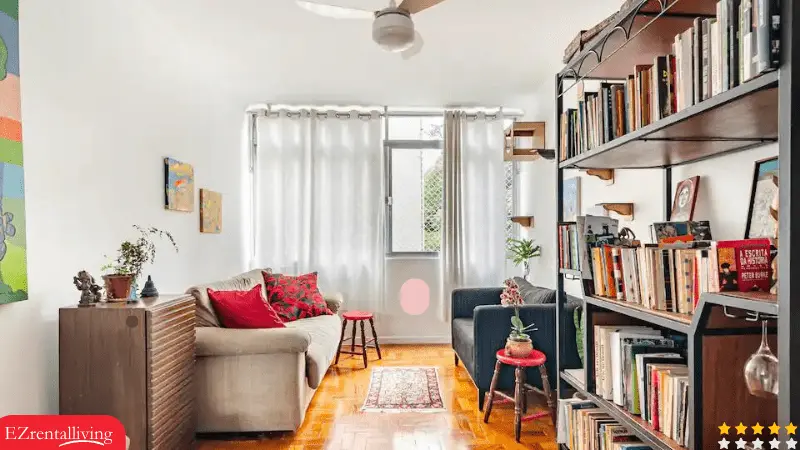
Indoor plants make a small apartment feel alive, and they are one of the cheapest ways to make a room look better. The problem is that most apartments do not have much light, and most plant advice assumes you have a sunny windowsill. This guide is for the real apartment: low light, limited space, a busy schedule, and maybe a pet. The plants below survive in those conditions, and the care advice is built around the mistakes that actually kill apartment plants. For more rental advice, browse our Apartment Guides.
TL;DR: Best Indoor Plants for Apartments
- Best low-light survivors: snake plant, ZZ plant, pothos, peace lily, cast iron plant, spider plant, Chinese evergreen, philodendron and parlor palm.
- Low light does not mean no light — most of these plants need bright, indirect light, and will survive, not thrive, in a dark corner.
- Pet-safe picks: spider plant and cast iron plant are pet-safe; pothos, peace lily and philodendron are toxic to cats and dogs if eaten.
- The most common killer is overwatering, especially in low light — water less often than you think, and always let the soil dry out first.
- Match the plant to the room: humidity-loving plants for bathrooms, trailing plants for shelves, and upright plants for floors and corners.
1. What “Low Light” Really Means
Plant labels use “low light” loosely, and that causes most apartment plant deaths. Low light does not mean no light. It means bright, indirect light — near a window, but out of direct sun — for most of the day.
A plant a few feet from a north-facing window, or in a room with a large window that never gets direct sun, is in low light. A plant in a windowless bathroom, or in the corner of a room ten feet from the only window, is in almost no light, and even a snake plant will struggle there. If you can read a book comfortably in a spot during the day without turning a light on, most low-light plants can survive there. If you cannot, that spot needs a plant that tolerates shade, or a grow light.
Before you buy, watch your light for a day. Which windows get direct sun, and for how long? Which rooms stay bright, and which go dark by mid-afternoon? That one day of observation will save you more plants than any care guide.
2. The Best Plants at a Glance
| Plant | Light | Water | Pet-safe? | Best spot |
|---|---|---|---|---|
| Snake plant | Low to bright, indirect | Every 2–3 weeks | No | Floor, bedroom corner |
| ZZ plant | Low to bright, indirect | Every 2–3 weeks | No | Desk, shelf, dark corner |
| Pothos | Low to bright, indirect | Weekly, when dry | No | Hanging basket, shelf |
| Peace lily | Low to medium, indirect | Weekly, when dry | No | Bathroom, living room |
| Cast iron plant | Low, indirect | Every 1–2 weeks | Yes | Hallway, bedroom |
| Spider plant | Bright, indirect | Weekly, when dry | Yes | Hanging basket, shelf |
| Chinese evergreen | Low to medium, indirect | Every 1–2 weeks | No | Desk, side table |
| Philodendron | Low to bright, indirect | Weekly, when dry | No | Shelf, hanging basket |
| Parlor palm | Low to medium, indirect | Weekly, when dry | Yes | Floor, corner |
Use this table as a starting point, then read the profiles below for the plants that fit your light, your space and your pets.
3. Plant-by-Plant Profiles
Snake Plant
The toughest apartment plant there is. It tolerates low light, irregular watering and dry air, and it grows upright, so it fits in a narrow floor space. Water every two to three weeks, and only when the soil is completely dry. Overwatering is the one thing that will kill it — if the leaves go soft at the base, you have watered too much. Toxic to cats and dogs if eaten, so keep it out of reach of curious pets.
ZZ Plant
A close second for toughness, with glossy leaves that look good in any room. It stores water in its thick stems, so it forgives missed waterings for weeks. It tolerates low light better than most plants on this list, which makes it a good choice for a dark corner or a desk away from the window. Water every two to three weeks, when the soil is dry. Toxic to pets if eaten.
Pothos
The classic trailing apartment plant. It grows fast, tolerates low light, and looks good in a hanging basket or trailing from a shelf. It is easy to propagate — snip a stem, put it in water, and it will root in a week or two. Water weekly, when the top inch of soil is dry. Toxic to cats and dogs if eaten, so hang it high if you have pets.
Peace Lily
The best flowering plant for low light, with white flowers that last for weeks. It also tells you when it needs water — its leaves droop dramatically, then recover within hours of watering. That makes it a good first plant if you are still learning. It likes humidity, so it does well in a bathroom. Water weekly, when the top inch of soil is dry. Toxic to pets if eaten.
Cast Iron Plant
Named for a reason: it tolerates low light, neglect, dry air and temperature changes, and it is pet-safe. It grows slowly, with broad, dark green leaves, and it does not need much attention. Water every one to two weeks, when the soil is dry. A good choice for a hallway or a bedroom with little light.
Spider Plant
Easy, fast-growing, and pet-safe. It produces long, arching leaves and, when it is happy, small plantlets on long stems that you can pot up and give away. It prefers bright, indirect light — it will survive in low light, but it will grow more slowly and produce fewer plantlets. Water weekly, when the top inch of soil is dry. Keep the tips from browning by using room-temperature water and avoiding over-fertilising.
Chinese Evergreen
A good desk or side-table plant, with patterned leaves in green, silver and red. It tolerates low light and dry air, and it grows slowly, so it will not outgrow its spot quickly. Water every one to two weeks, when the top inch of soil is dry. Toxic to pets if eaten.
Philodendron
There are many types, but the heartleaf philodendron is the best apartment choice: trailing, tolerant of low light, and easy to care for. It looks good on a shelf or in a hanging basket, and it is easy to propagate like pothos. Water weekly, when the top inch of soil is dry. Toxic to pets if eaten.
Parlor Palm
A small, slow-growing palm that fits on a table or in a floor pot, and it is pet-safe. It tolerates low light and does not need much water, but it does like humidity — a bathroom or a pebble tray underneath helps. Water weekly, when the top inch of soil is dry, and wipe the leaves occasionally to keep them dust-free.
4. Best Plants for Bedrooms, Bathrooms and Small Shelves
Bedroom: Snake plant and ZZ plant are the best choices — they tolerate low light, they do not need much water, and they look good in a corner or on a bedside table. A peace lily also works if the bedroom gets some indirect light.
Bathroom: Peace lily, pothos and parlor palm love the humidity in a bathroom, provided there is a window or enough light. If your bathroom has no window, even these plants will struggle — choose a cast iron plant, or accept that a bathroom plant may need to rotate out to a brighter room for a few days a week.
Desk and small shelves: ZZ plant, Chinese evergreen and spider plant fit on a desk or shelf without taking over. Trailing plants — pothos and philodendron — work best on a high shelf, where they can trail down without blocking your workspace.
5. Pet-Safe Picks
If you have a cat or a dog that chews plants, choose pet-safe plants first. Spider plant, cast iron plant and parlor palm are all considered pet-safe, and they are all good apartment plants in their own right.
Pothos, peace lily, philodendron, snake plant, ZZ plant and Chinese evergreen are all toxic to cats and dogs if eaten. That does not mean you cannot have them — many pet owners do, by hanging trailing plants high, placing upright plants out of reach, or choosing a room the pet does not enter. If your pet is a determined chewer, start with the pet-safe list, and check with your vet if you are unsure.
6. Care Mistakes That Kill Apartment Plants
Most apartment plants do not die from low light. They die from water.
Overwatering is the most common killer, especially in low light. A plant in low light uses less water, so soil that stays wet for days will rot the roots. Water only when the top inch of soil is dry — push your finger in to check — and always empty the saucer after watering, so the plant is not sitting in water.
Too little light is the second killer. If a plant is stretching towards the window, losing leaves, or growing pale, it needs more light. Move it closer to a window, or rotate it to a brighter room for part of the week.
Wrong pot, wrong soil. Make sure every pot has drainage holes, and use a free-draining potting mix, not garden soil. A plant in a pot with no drainage will sit in water, however carefully you water it.
Ignoring humidity. Central heating and air conditioning dry the air, and many apartment plants prefer humidity. Grouping plants together, or placing a tray of pebbles and water underneath, helps. If your apartment is dry and hot, read why is my apartment so hot? — the same ventilation and humidity advice helps your plants as well as you.
7. Where to Place Them — and What They Cost
Place plants where you will see them and remember them. A plant in a dark corner you never visit will be forgotten, and a forgotten plant is a dead plant. Start with three plants: one on the floor, one on a shelf, and one on a desk or table. That is enough to change how a room feels, without turning your apartment into a greenhouse.
A small plant in a nursery pot usually costs $5–$15, a medium plant $15–$30, and a large floor plant $30–$60. A simple pot adds $5–$15. Buy the plant first, live with it for a month, and only then buy more. If you are setting up a new apartment, start with our first apartment checklist and how to make a small apartment look bigger — plants are one of the cheapest ways to make a small space feel larger and more alive, and they pair well with the light and mirror tricks in that guide. They can also help with stale air, alongside the ventilation advice in how to vent air in an apartment.
FAQ: Best Indoor Plants for Apartments
What is the easiest indoor plant for an apartment?
Snake plant and ZZ plant are the easiest. They tolerate low light, they need water only every two to three weeks, and they forgive neglect. If you have killed plants before, start with one of those.
What indoor plants do well in low light?
Snake plant, ZZ plant, cast iron plant, pothos, Chinese evergreen and philodendron all tolerate low light. Remember that low light means bright, indirect light — not a dark corner with no window nearby.
Which apartment plants are safe for cats and dogs?
Spider plant, cast iron plant and parlor palm are pet-safe. Pothos, peace lily, philodendron, snake plant and ZZ plant are toxic if eaten, so keep them out of reach if your pet chews plants.
How often should I water indoor apartment plants?
Most apartment plants need water once a week to once every three weeks, depending on the plant, the light and the season. Always check the soil first — water only when the top inch is dry — and empty the saucer after watering.
Why do my apartment plants keep dying?
The most common reasons are overwatering, too little light, and a pot with no drainage. Check the soil before you water, move the plant closer to a window, and make sure water can drain away. Those three fixes save most plants.
Final Thoughts
The best indoor plant for your apartment is the one that fits your light, your space and your habits — not the one that looks best in a photo. Start with a snake plant or a ZZ plant, learn how much light your apartment really gets, and add plants slowly. Water less than you think, give them light, and let them grow. A few green plants, in the right places, will make the same apartment feel calmer, fresher and more like home.