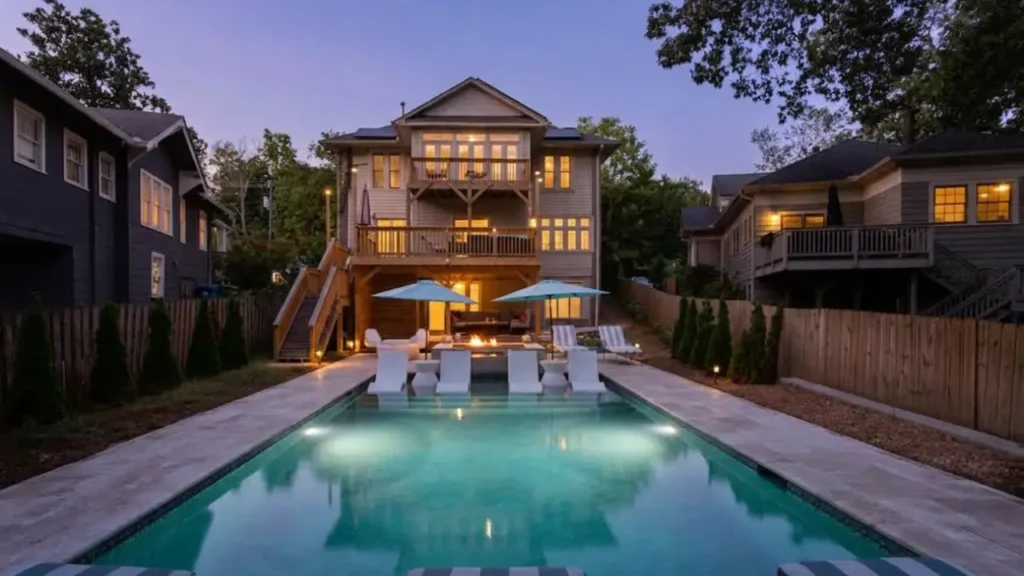
If you think hotels give you more value for your money, think again. These short-term rentals may be regaining popularity this year. So, if you are planning a trip and are wondering where to stay, read this article. It will offer many insights and a definitive conclusion in the ongoing hotels vs. Airbnb debate.
It Depends on What You’re Looking For
Booking a few nights in a hotel may make more sense if you like the creature comforts you’re used to at home, and if you don’t want to worry about the headaches associated with cleaning. Any hotel has housekeeping staff. Airbnbs tend not to have housekeeping.
Another interesting feature of hotels is that the consistency and quality of service and amenities are standard. That’s especially true if you’re staying in a hotel chain.
Airbnbs may win if you want a more personalized experience when traveling. Most Airbnb hosts will greet you at check-in. You tend to meet a receptionist when you check into a hotel. Some hotels offer self-check-in. So you press an app on your phone for the room key.
Now, if you like to keep the place you stay at clean, and you’re traveling in a group, you may want to stay in an Airbnb. While the platform itself doesn’t offer standardized discounts for groups, you may be able to contact the host for a discount.
Each Airbnb host has his or her own house rules, depending on the type of property you are renting, the neighborhood the property is in, and the host’s individual cleanliness preferences. Hotels have house rules. However, they generally don’t care what state you leave your hotel room in. Management’s only concern is that you don’t trash it.
Hotel vs Airbnb rates
There are real differences when comparing Hotel vs. Airbnb rates. The most obvious one is that hotels tend to charge you per room and night. The nightly rate may vary by hotel chain. But hotels don’t charge different prices for similar rooms. Airbnb hosts charge you by property.
Here’s a table that shows rates for hotels and entire Airbnb properties in 3 tourist hotspots for a family of 4, which includes 2 adults and 2 kids.
| Property Types | Rural | Urban | Metro |
| Airbnb | A 3 bed/2 bath house in Fredericksburg, TX is $1894. | A 2 bed/3 bath condo in New Jersey is $235 a night | A bungalow in Huntington Beach, CA, with 2 beds and 3 baths is $687 a night. |
| Hotel | Best Western Plus Fredericksburg, TX is $129 a night | Grand Hyatt Central New YorkIs $297 a night | Best Western Plus Irvine Spectrum Hotel is $169 a night |
The Best Western Plus hotel room in Fredericksburg, TX is a family favorite. It may be a standard room, but it has 2 Queen beds, a refrigerator, and a microwave. It’s non-smoking and has other amenities. These include the reserve now, pay later option, a hair dryer, a private bathroom, free parking, and free WiFi.
The Grand Hyatt Central, New York in New York City offers a full breakfast, but you have to pay for it. The hotel rooms are dog-friendly. You can access paid valet parking, WiFi, in-room massages (not free), and a 24-hour fitness center. The rate is for 2 adults and 2 kids from June 26 to July 4.
The Best Western Plus Irvine Spectrum Hotel offers a continental breakfast, is pet-friendly, has a wheelchair-accessible spa, free parking, and an on-site hot tub. An international airport–Ontario International Airport–is nearby.
Hotel vs Airbnb Amenities
Look for the following amenities when you’re researching Airbnb properties. Luxury hotels tend to offer these amenities, and you know that you’re getting good value for your money if you stay in a property offering the following:
- High-quality beds, bedding, and linens. You need to sleep well at night, and premium and comfortable beds, bedding, and linens will let you do just that.
When in doubt, pick a property with gleaming white Egyptian cotton bedsheets and linens. These tend to be cleaner, allowing you to relax faster and better. - Fast and reliable WiFi. You need instant and quality Internet services to work and relax.
- In-room amenities: USB charging ports and stations, power outlets, and streaming services.
Amenities Make All The Difference
High-end hotels offer lots of amenities that make guests’ stay comfortable and memorable. If you want the same experience in an Airbnb, look for properties offering the following by category.
Bedroom Amenities
- Superior air conditioning and heating.
- Workspaces and/or desks.
Bathroom Amenities
- Toiletries (body wash, conditioner, shampoo, soap).
- Clean towels and bathrobes.
- Hairdryers
- Vanity kits
- Slippers
- Eco-friendly, reusable products.
Hotel Facilities
- Restaurants and bars (either on the property or nearby).
- Parking facilities
- Business and meeting rooms.
Other Amenities and Perks
- Spas and wellness centers.
- Upscale restaurants.
- Smart technologies
- Gadgets and amenities creating personalized guest experiences.
- Comfortable and functional room setups.
- Self-service check-in and vending machines.
These Perks are Non-Negotiable if You’re a Digital Nomad
You live by the computer and Internet if you’re a digital nomad. So, any Airbnb you book MUST offer:
- Comfortable, well lit rooms.
- Strategically placed meeting rooms and workspaces.
- Reliable and high-speed WiFi, power outlets, and USB ports.
- Early check-in and flexible departure times.
- Readily available steam irons and quick and easy-to-access laundry services.
- Universal sockets–this encourages guests from countries using 240 volts.
- Free local and international calls.
- Co-working spaces and business lounges.
Include Amenities for the Health Conscious
You may want to look for properties with amenities encouraging wellness travel, especially if you’re a health-conscious Gen Z.
- At least one spa with jacuzzis, pools, and saunas.
- Exclusive, packages: massages and other popular health treatments
- Trendy products. Examples are essential oils, body lotions, body washes, and organic shampoos.
Scenario-Based Comparison
Different demographics are looking for different experiences when they travel. So, their needs will vary. There are six different demographic groups that tend to vacation. It’s time to explore what they will consider in the hotels vs. Airbnb debate when they are booking a place to stay.
Solo/Business Traveler
If you are single or a professional who lives out of a suitcase, your needs are more basic. You generally prefer a single room. So, Airbnbs may not be ideal for you since they tend to have more than one room listed. Airbnbs have a cleaning fee which is not worth it if you’re only going to stay in a particular property for a few days.
You will have to pay a 10% occupancy tax if you stay in an Airbnb or a hotel. While hotels generally have a resort fee, Airbnbs don’t. I’ll give you a hypothetical situation that will explain why you’re better off staying in a hotel.
Suppose you find a hotel room with a base rate of $130 a night. That turns out to be $156 nightly, after the 10% occupancy tax and resort fee are factored in. You research online and find an Airbnb property at $121 a night with a one-time $90 cleaning fee.
Here’s a table that illustrates exactly how that plays out in nightly expenses by total number of days stayed, and which lodging you’d be better off booking by number of nights.
| Nights | Hotel total (all-in) | Airbnb total (with $90 cleaning) | Cheaper option |
| 1 night | $156.00 | $211.00 | Hotel |
| 2 nights | $312.00 | $332.00 | Hotel |
| 3 nights | $468.00 | $453.00 | Airbnb |
| 4 nights | $624.00 | $574.00 | Airbnb |
| 5 nights | $780.00 | $695.00 | Airbnb |
| 7 nights | $1,092.00 | $937.00 | Airbnb |
So, it’s obvious that you’d be better off staying in a hotel for trips that are 2 nights or less.
Couple’s Weekend Trip
You’re better off renting a hotel if you want a weekend getaway with your partner or spouse. Hotels tend to have lower nightly rates for a stay of a few nights. They don’t have cumbersome cleaning fees. Additionally, you don’t have to abide by a laundry list of conditions, as you often do in an Airbnb.
Hotels offer you access to 24/7 desk and customer service. You’ll often get free breakfast, and you know what to expect in the room when you arrive.
Family of Four to Six
Summer is a time when many families with kids travel. Pay attention to this section if you’ve got a few kids. It will give you good insights into the hotels vs. Airbnb debate when you’re choosing which property to book.
The answer is, “It depends on how long you’re going to go on vacation for.” You should book a hotel room (it will be much cheaper) if you’re only going to stay in a place for a few days. That’s mainly because the average nightly rate will be lower and you won’t be socked with a huge one-time cleaning fee.
While you will probably be eating out some, you can offset the cost with picnic lunches and free breakfasts. As I mentioned earlier, most hotels offer free breakfasts.
There are other perks too: you don’t have to do your own laundry–most hotels offer laundry and dry cleaning services, you’ll have access to 24/7 customer and desk service, and someone else will provide you with clean towels and linens every day. Additionally, housekeeping will clean your room and make your bed daily.
You’ll know the hotel policies, including cancellation rules up front. Also, there are no cumbersome chores that you’ll be required to do.
An Airbnb makes more economic sense if you’re going to be staying in a place for at least a week. Yes, you’ll have to pay the cleaning fee, but it will be a lower rate per night because you’ll be staying there for more days and nights.
You’ll have access to larger living quarters–bedrooms, living rooms, bathrooms, and kitchens. That matters if you have a large family. You’ll save money because groceries and home-cooked food are much cheaper than restaurant dishes.
Here’s a breakdown of the average cost of renting a hotel vs an Airbnb for a family of 4-6 in 2026:
| Cost category | Vacation rental | Hotel |
| Nightly rate (7 nights) | $1,400 to $2,800 | $980 to $1,960 |
| Cleaning fee | $100 to $300 | $0 |
| Service fees (14 to 16 percent) | $200 to $450 | $0 |
| Taxes (10 to 18 percent) | $140 to $500 | $100 to $350 |
| Food (cook plus dine out vs all dining out) | $300 to $600 | $700 to $1,400 |
| Estimated total | $2,140 to $4,650 | $1,780 to $3,710 |
Large Group or Multi-Family
You’re better off staying in an Airbnb if you’re traveling as part of a larger group or with other families. The main reason is that many more people are chipping in toward the total short-term rental cost.
So, each person pays a much lower amount. Not only that, but eating out for every meal adds up quickly. That’s especially true if you’re vacationing in Switzerland. It can easily cost $400 a day for a group of 8 people to eat out. You’ll save money by buying groceries occasionally and cooking your own food.
You can pay anywhere from $200 to $1,500 a night for a multi-family Airbnb. It just depends on how big your group is or how many families you’re traveling with.
Another bonus is that you don’t have to rent more than one Airbnb, even if there are 10 people in your group. You’d have to rent out multiple hotel rooms with a group that big. The costs would add up fast.
Most Airbnbs have entertainment that you wouldn’t typically find in hotels. These include indoor pools, arcades, pool tables, bunk beds, and shared kitchens. You may get lucky and find an Airbnb with a gourmet chef on premises.
Here is a breakdown of the average cost of hotels vs Airbnbs for a large group or multi-family group of travelers in 2026:
| Group size | Rental type | Typical nightly (2026) | Replaces |
| 4 to 6 (one family) | 2 to 3 bedroom condo or house | $200 to $400 | About 2 hotel rooms |
| 8 to 12 (extended family) | 4 to 5 bedroom house | $350 to $800 | 3 to 4 hotel rooms |
| 16 to 24 (reunion) | 6 to 8 bedroom estate or two homes | $800 to $2,000 | 6 to 10 hotel rooms |
| 30 to 50 (big reunion) | Lodge or multi-home compound | $1,500 to $4,000+ | 12 to 20+ hotel rooms |
Extended Stay
Extended stay hotels are cheaper if you want to stay in a place for more than a week. Remember that Airbnbs charge for cleaning, service, extra guests, security deposits, and utility overages. That can increase your overall bill by up to 30%.
Here is a breakdown of the extra charges:
- Cleaning fees–these range from $50 to $200. You have to pay this fee, even if you only stay in an Airbnb for one night.
- Service fees range between 14-16% of the total nightly rate.
- You may have to pay up to $50 for each additional guest.
- Most Airbnbs charge from $100 to $500 for a security deposit, which they don’t return quickly.
- Utilities, like water, may be severely rationed in drought-prone areas during the summer.
Why Airbnbs Aren’t Ideal for Longer Stays
Suppose you want to book an Airbnb for 30 days. You may end up paying $3,000 after all extra charges are factored in. True, Airbnbs tend to discount monthly rates for extended-stays, but those can still add up fast.
By contrast, extended-stay hotels offer weekly rates with everything–utilities, free and high-speed WiFi, parking, basic housekeeping, and free breakfast–included. You don’t have to pay extra fees either. Even better is that these extended-stay hotels have transparent rates and don’t check your credit.
It’s often hit-or-miss as far as amenities go for Airbnbs are concerned if you’re staying for a longer time period. Only some Airbnbs offer fully stocked kitchens, microwave ovens, minibar fridges, high-speed WiFi, good and comfortable mattresses, and workspaces.
Note that these seemingly minor inconsistencies will amplify the longer you stay in an Airbnb.
Extended-Stay Hotels Perks
Extended-stay hotels tend to offer perks for long-term travelers precisely because they were built for people who stay in short-term lodging for longer time periods. So, you know that each unit is built according to the same standard and offers the same amenities and perks.
Here’s what to expect with extended-stay hotel amenities:
- In-unit kitchenette–extended-stay hotels tend to have kitchens stocked with a full-sized fridge, a microwave oven, and a dishwasher.
- Washer and dryer–extended stay hotels tend to be stocked with a washer and dryer. They provide their own laundry soap and fabric softener as well.
- Dedicated workspaces–all extended-stay hotels have a work desk and reliable, high-speed WiFi.
- Furnished living areas–you’ll find roomy and separate living quarters for relaxation and working.
- Optional housekeeping–you can get housekeeping if you are willing to pay extra for it.
Service, Support, and Reliability
You’re better off in an extended-stay hotel for longer stays because their customer service tends to be much better than Airbnb’s customer service. That’s primarily because you deal exclusively with the host when you rent an Airbnb. Hosts may or may not be available when you need them to be, mainly because they are very busy professionals.
Another reason why extended-stay hotels win on the service and support issues is that Airbnb’s customer service was designed to handle disputes with guests and hosts. It was not designed to deal with maintenance and other service issues. The Restoration Hotel recently found that guests were unhappy with inconsistent Airbnb replies and service.
You will likely have to wait several days for maintenance and repair issues to be resolved in Airbnbs. That’s mainly because most Airbnb hosts manage properties remotely. That will probably be stressful and uncomfortable for you.
Expect a broken AC or appliance to be fixed in a few hours in an extended-stay hotel. It’s because these hotels have on-site staff whose job is to resolve guest issues quickly.
These staff members work 24/7 at desks and will resolve any issues/answer any questions you may have the way you want. So, someone will always be ready to fix a clogged sink or a malfunctioning keycard. You will also get fresh towels on request.
Safety and Regulations
These are deal breakers for many long-term guests, and for good reason. Your safety is most important. Because they are owned by regular people, Airbnbs aren’t subjected to the same safety inspections as extended-stay hotels. That means that safety and even cleanliness tend to be hit and miss at some Airbnb properties.
You don’t want or need that. Local and state ordinances require hosts to install and regularly maintain smoke detectors. Also, Airbnbs don’t have to be inspected regularly, as extended-stay hotels do.
So, there is no guarantee that the host won’t try to enter the property when you’re there and try to harm you or steal from you. Though that rarely happens. The same applies to neighbors.
Extended-stay hotels are required by law to meet certain state and local fire codes, building inspections, and hospitality regulations. These include:
- Regular fire inspections–smoke detectors, sprinkler systems, and fire extinguishers must be inspected routinely.
- Security cameras–all extended-stay hotels have security cameras in common areas and parking lots.
- Key card access–only the people you want can access the extended-stay hotel.
- On-site staff–extended-stay hotels have 24/7 staff who are trained to deal with emergency situations.
- ADA Compliance–extended-stay hotels have accommodations to help the differently abled. Airbnbs tend not to have those.
The American Hotel & Lodging Association states that state and local laws mandate extended-stay hotels to undergo routine safety audits. Airbnbs don’t have that requirement.
Flexibility, Lease Terms, and Cancellation Policies
You could run into issues if you decide to cancel your Airbnb booking. The reason is that the host determines the cancellation policy for his or her property. So, these can vary widely by Airbnb.
Many Airbnb hosts have strict cancellation policies. You won’t be refunded if you cancel less than 30 days before your scheduled stay. You’ll need to work according to the host’s approval and availability if you want to tack a few extra days onto your stay. You’re out of luck if the host has another guest lined up after your scheduled stay ends.
This could be a real problem if you’re staying in a short-term rental because your apartment or house is undergoing substantial repairs.
Extended-stay hotels tend to be much more flexible with last-minute cancellations. These hotels often have flexible lease terms. That means you can negotiate weekly and even monthly rates well in advance easily and fast. Extending your lease often involves a quick talk with the staff at the front desk.
You can generally shorten your visit with no questions asked. Most extended-stay hotels don’t do credit checks or require a deposit.
Budget Solo Traveler
You’re probably wondering which is better and more economical when traveling solo when money is tight. The answer is, “You’ll get more value for your money by staying in a hostel for shorter trips for the following reasons.”
Hostels charge low rates because they are sparsely furnished. They often only have a bed and a desk in a room. Most people who are budget solo travelers are very young professionals or college/graduate students. They want experiential trips and aren’t looking for many creature comforts.
Hostels don’t typically charge the extra fees that Airbnbs do. You can enjoy almost all of the amenities that Airbnbs offer in a hostel. For example, most hostels offer free WiFi. Some hostels offer complimentary breakfast as well. Hostels tend to have shared kitchens.
That means that you can save on groceries since you can negotiate with other roommates and cook meals using their raw ingredients.
Now, you may save money by booking an Airbnb for longer stays. The reason is that most hosts offer hefty discounts for longer stays. However, hostels tend to save you more money, even for longer stays.
When You’re Better off Staying in an Airbnb
| Pros | Cons |
| Access to a private bathroom | Some Airbnbs have curfews |
| The host takes care of all customer issues for you, but not housekeeping. | Many Airbnbs are in rural or remote areas. |
| You’ll have the home experience when traveling | Non-registered guests aren’t invited |
| You can cook and do your own laundry | Some low-cost Airbnbs don’t have kitchens, washing machines, or dryers |
| You have all of the privacy and free time that you want | Socialization opportunities are limited and may even be non-existent. |
When Hostels Make More Sense
You will save lots of money and have a great social life whenever you stay in a hostel. Here are some more advantages of staying in a hostel:
- Plenty of socialization opportunities–You can meet students and people from all walks of life from around the world in a hostel. It’s easy to explore cities and surrounding areas when you live in a hostel. You can try local food and other exotic cuisines/dishes when staying in a hostel.
Not surprisingly, solo travelers who stay in hostels are happier and aren’t as lonely or depressed. - Easy on the wallet–Hostels tend to be much more wallet-friendly than even the lowest-priced Airbnb. That leaves much more room for excursions and other activities that tend to cost money.
- Plenty of opportunities for site-seeing–Gen Z and even Millennials love experiential trips. You can generally book a guided tour of surrounding cities through hostels.
Some hostels even tell you what the most happening places in town are for fun things to do at night, and where they are located. Ditto for clubs. And since you’re sharing a room with peers, you’ll have plenty of opportunities to socialize at nightly group dinners.
You can arrange for enjoyable local daylong excursions and adventure activities through hostels. Either that, or they will explain where and how you can book them. - Creature comforts–-Most Airbnbs either don’t offer these, or you have to pay more for the following creature comforts that you have come to expect. Hostels tend to come with these included in the total price:
- Free WiFi to stay in touch with and abreast of the outside world.
- The opportunity to save money by cooking your own food, and by sharing the cost of groceries.
- Free maps and guides that make your trip more exciting, enjoyable, easier to plan, and give you more value for your money.
- Flexibility–Hostels were designed for cash-strapped and adventurous young people with unpredictable, and sometimes chaotic schedules. That’s why some of them offer private rooms–for travelers who value their privacy. You don’t normally get to book a private room in an Airbnb.
- No surprise extra fees–You’re paying for more than just a property when you book a few nights in most Airbnbs. Hosts tend to tack on additional fees, which you may not anticipate. A few examples are cleaning fees, service fees, and local taxes (when applicable).
- Discreet properties–Some hosts don’t tell you where their properties are located until you book them. That can be inconvenient if the property is in a remote rural location and you love to explore cities.
- Last-minute cancellations–Hosts can sometimes cancel a booking at the last minute. That can be more than an inconvenience for you, especially if you were going on a work trip. Hostels tend not to do that.
When Airbnbs Make More Sense
I have mentioned all of the benefits of staying in a hostel. And while most solo travelers on a tight budget prefer them, there are some times when staying in an Airbnb makes perfect economic and practical sense. It’s time to explore these now.
- You value privacy, peace, and quiet–Hostels are crowded, so there’s always a lot of noise and action in them. Some young budget travelers just want peace and quiet, especially when they sleep. Airbnbs tend to offer that.
- You’re booking a longer stay–Believe it or not, but you may actually save more money by booking an Airbnb for a longer stay. The reason? Most hosts offer weekly and monthly discounts for longer stays. And since most Airbnbs have a kitchen and other creature comforts you enjoy at home, you can enjoy a home-like experience when traveling.
- You’re there to work–This also applies to digital nomads and freelancers. Let’s face it, you NEED peace and quiet because you need to concentrate. You generally won’t get that in a hostel. But you WILL get it in an Airbnb.
- You want a genuine cultural experience–-You’ll understand how most people in your location really live because you’ll be immersed in the local cultures.
How You Decide if An Airbnb or a Hostel is Best For You
Here’s a checklist that you can refer to if you’re planning a trip and can’t decide if you should stay in an Airbnb or a hostel.
Hostels work IF:
- You like solo traveling–Hostels are an ideal and cost-effective way to socialize and even make friends with people from all walks of life and from around the world.
- Money is tight–Hostels are generally cheaper because you pay for a bed and a few pieces of furniture and not rooms or an entire property.
- You like the concept of 24/7 roommates–Most hostels work like dorms. That means you’ll be sharing living spaces and even bedrooms. The same applies to bathrooms.
Airbnbs work IF:
- You need your privacy–You’ll be alone, and that’s worth more than gold for some travelers.
- You want creature comforts–True, most hostels offer free WiFi and other perks that Airbnbs tend to charge for, but that’s where it tends to end. Hostels have long had an uncanny reputation for being more ‘bare bones’ in terms of amenities. Airbnbs offer almost all of the comforts you’re used to, along with your own bedroom and bathroom!
- You’re staying in a particular place for a few months–You’ll avail hefty discounts (in the majority of instances) that will make an Airbnb stay much less expensive than a hostel stay.
Hostel v.s. Airbnb Rates
Feature/Fee Type Hostel Airbnb
| Pricing by unit | Single bed | A room or property |
| Cleaning fees | Included in base rate, so no fees | $30-$150–fee is flat per stay |
| Service/Booking Fees | None to very minimal platform fees | About 14% to 16% guest service fee |
| Extra guest fees | It doesn’t apply since there is only one rate, and that’s per individual person | Applies after a baseline rate and is applied for each extra person |
| A La Carte Add-Ons | There is a smal fee charged for towels, padlocks, and breakfast–about $2-$5 | There are none, but the extra amenities depend on the host and the property you book. |
The Real Cost Breakdown: Airbnbs vs. Budget Hotels
Here’s a list of geographic areas where booking a budget hotel makes more sense. You’ll find the average rates of Airbnbs and budget hotels by by popular cities in each state:
| USD | Percent Savings | ||
| Destination and State | Airbnb Rate | Budget Hotel Rate | |
| Waikiki Beach–Hawaii | $271 | $74 | 73% |
| Grand Teton National Park–Wyoming | $847 | $231 | 73% |
| Yosemite–California | $646 | $206 | 68% |
| Nashville–Tennessee | $612 | $202 | 67% |
| Savannah–Georgia | $435 | $199 | 54% |
| Las Vegas–Nevada | $567 | $281 | 50% |
| Yellowstone–Montana | $456 | $229 | 50% |
| Asheville–North Carolina | $346 | $205 | 41% |
| Jackson Hole–Wyoming | $513 | $336 | 35% |
| New Orleans–Louisiana | $430 | $304 | 29% |
| Moab–Utah | $387 | $278 | 28% |
| Lake Tahoe–California | $520 | $376 | 28% |
| Sedona–Arizona | $509 | $391 | 23% |
| San Francisco–California | $251 | $194 | 23% |
| San Diego–California | $338 | $262 | 23% |
| Los Angeles–California | $306 | $270 | 12% |
I will give you a cost breakdown of popular places worldwide where you can actually save lots of money by staying in a budget hotel:
| Destination | Airbnb Rate | Budget Hotel Rate | Percent Difference |
| Niagara Falls–Canada | $274 | $98 | 61% |
| Ibiza–Spain | $368 | $266 | 28% |
| Vatnajokull Ice Cave–Iceland | $207 | $151 | 27% |
| Phuket–Thailand | $117 | $86 | 27% |
| Stonehenge–Indonesia | $172 | $131 | 24% |
| Prague–Czech Republic | $149 | $116 | 22% |
| Barcelona–Spain | $192 | $154 | 20% |
| Cliffs of Moher–Republic of Ireland | $202 | $162 | 20% |
| South Lake–New Zealand | $154 | $125 | 19% |
| Plitvice Lakes–Croatia | $85 | $70 | 18% |
| Edinburgh–United Kingdom | $299 | $248 | 17% |
| Bali–Indonesia | $100 | $83 | 16% |
| Moscow–Russia | $102 | $87 | 16% |
| The Great Barrier Reef–Australia | $150 | $135 | 10% |
| Seoul–South Korea | $98 | $90 | 8% |
| Athens–Greece | $106 | $100 | 6% |
Here is a list of places worldwide where you can actually save more money by staying in an Airbnb.
| Destination/Country | Airbnb Rate | Hotel Rate | Percentage Saved |
| Krueger National Park–South Africa | $149 | $814 | 448% |
| Bora Bora–French Polynesia | $269 | $904 | 237% |
| Paro–Bhutan | $50 | $158 | 214% |
| Maldives–Maldives | $160 | $473 | 197% |
| Victoria Falls–Zimbabwe | $109 | $269 | 146% |
| Providencia–Colombia | $87 | $194 | 122% |
| St. Lucia–St. Lucia | $134 | $269 | 101% |
| Reed Flute Cave–China | $38 | $70 | 82% |
| Angkor Wat–Cambodia | $44 | $78 | 78% |
| Cape Town–South Africa | $83 | $140 | 69% |
| Pyramids of Giza–Egypt | $79 | $131 | 66% |
| Vancouver–Canada | $181 | $297 | 64% |
| Marble Caves–Argentina/Chile | $82 | $127 | 55% |
| Dubrovnik–Croatia | $91 | $128 | 40% |
| Cinque Terre–Italy | $164 | $225 | 38% |
| Blue Lagoon–Ireland | $233 | $316 | 36% |
| Buenos Aires–Argentina | $65 | $89 | 35% |
| Sydney–Australia | $169 | $225 | 33% |
| Dubai–United Arab Emirates | $231 | $306 | 33% |
| Paris–France | $203 | $269 | 32% |
| Santiago–Chile | $65 | $85 | 29% |
| London-United Kingdom | $211 | $267 | 26% |
| Copenhagen–Denmark | $229 | $289 | 26% |
| Marrakesh–Morocco | $151 | $187 | 23% |
| Rio De Janeiro–Brazil | $101 | $123 | 22% |
| Rome–Italy | $142 | $169 | 19% |
| Oia–Greece | $314 | $360 | 15% |
| Cappadocia–Turkey | $68 | $76 | 12% |
| Taj Mahal–India | $30 | $33 | 9% |
| Amsterdam–Netherlands | $225 | $243 | 8% |
| Istanbul–Turkey | $72 | $78 | 8% |
| Lisbon–Portugal | $132 | $142 | 7% |
| Tokyo–Japan | $121 | $128 | 6% |
| Tahiti–French Polynesia | $145 | $151 | 5% |
| Great Wall of China–China | $123 | $127 | 3% |
Hotel Side Extras
| Type | Cost |
| Resort and Destination Fees | $22 to $55 a night |
| Parking and Valet Fees | $30 to $75+ a night |
| Early Check-In and Late Check-Out Fees | $25 to $75 for early check-in; $100+ for late check-out |
| Additional Guest and Occupancy Fees | $20 to $50 per extra guest a night |
| In-Room Minibar and Sensor Fees | $8 to $20 an item |
| Room Service and Delivery Fees | Room service charges~18% to 22% per visit; Delivery fees~$5 to $15 an order |
| WiFi and Premium Internet Fees | $15 to $25 a day |
| Spa and Wellness Access Fees | $30 to $60 a day |
| Housekeeping and “Green Choice” Fees | $5 to $10 a day |
| Business Center and Printing Fees | $10 to $20 a session |
| Luggage Storage Fees | $5 to $15 a bag |
Airbnb Side Extras
Airbnb changed its fee structure for guests this year. You are no longer charged a service fee for standard stays. The host-only fee model now applies only to certain regions (Brazil; Mexico) where the host sets the nightly price. Incidentally, that’s the final baseline price paid by the guest before local government taxes.
Hosts can still decide to charge a cleaning fee, a fee for pets, and a fee for extra guests. The host decides what that fee will be.
A Comparison of Airbnb and Budget Hotel Cost Data for Yosemite, California
| Airbnb | Budget Hotel | Fee Type | Dollar Cost |
| The Peaks | Days Inn By Wyndham–Merced | Fee for 7 nights (Airbnb) | $1603 |
| Nightly | |||
What You Get Beyond the Room–Hotels
Hotels have extra perks that are included in the nightly rate. You will understand why they’re worth paying for once I describe each one in great detail.
Smart Rooms
Guests are digitally connected and hotel owners and managers are beginning to notice. If you are like most guests, you want to control certain things about your hotel room–like concierge services or the temperature from your smartphone app. You want to be able to do that at the tap of a finger or through voice commands.
But beyond that, expect hotel rooms of the future to offer the following:
- The ability to bring your own streaming services–Most people use portable streaming devices. A good example is Amazon Fire Stick. You can load them on the device and stream them on the hotel room’s TV.
There is a catch. Portable streaming devices only work if your hotel room has a USB port. Also, don’t be surprised if hotel rooms feature platforms that let you log into your favorite streaming accounts when you check in, and then log you out when you check out. Enseo is one such platform. - Wireless charging for mobile devices–People are getting tired of 20th- century technologies like charging cords. Hotels are keeping up with trends with wireless charging. Simply place your mobile device on the mat, and have it charge immediately and quickly.
- Smart controls put you in control of your hotel room–You can change your room’s temperature, light, and power from an app on your mobile device.
- Access hotel features remotely–Guests want total control of their hotel stay experience. That often means accessing hotel services: restaurant hours, room service menus, spa services, area recommendations, and much more at their convenience on a tablet app. Hotels are catching on and offering popular apps like Crave, Crestron, Intelity, and SuitePad.
- Housekeeping–The majority of hotels have full housekeeping for their rooms in 2026. Hotel managers often use software programs and digital platforms to schedule cleaners and cleaning tasks to keep hotels and hotel rooms spotless better, faster, and more efficiently. Managers use software to take detailed pictures of rooms to do AI audits for cleanliness and sanitation.
- Customer service–Consistent quality standards and loyalty points bring in repeat and referral business through customer satisfaction.
- A professional front desk matters–Busy customers appreciate mobile keys and contactless kiosks. They can check in at their convenience and much faster. Chatbots can answer basic questions to customers’ satisfaction. Also, hotel staff can improve customer retention and nurture new markets through relationship building. AI tools now free up their time by focusing on time-consuming, and often repetitive tasks.
- Soundproofing technologies–Hotels fit their rooms with soundproof windows to respect guests’ privacy. Now, guests no longer complain of excessive noise from traffic, planes, or loud music from outdoor concerts.
What You Get Beyond the Room–Airbnbs
Airbnbs are quickly transforming into short-term rentals that can offer the ‘true home away from home experience.” You’ll understand what I mean after you read this section.
Airbnbs Offer the Ultimate Living Experience
Are some ‘creature comforts that Airbnbs offer that most hotels don’t that make for a true home-like experience.
- Full kitchens–Almost every Airbnb you stay at has a stove, a fridge, a functional oven, cookware, utensils, and dishwashers. These let you cook your own food whenever you want.
- Separate rooms–The majority of Airbnbs have at least two bedrooms. That lets guest enjoy their privacy. Private living rooms let guests relax comfortably. Dining areas allow for socialization during mealtimes.
- Laundry service–Airbnbs tend to have washing machines, dryers, and laundry supplies. So, you can do your laundry whenever you want.
- Private Yards–Airbnbs have enclosed yards, letting you enjoy activities you regularly participate in at home: grilling, swimming, and outdoor parties. Airbnbs tend to have grills, outdoor pools, and outdoor lawn furniture.
- Indoor recreation–Many Airbnbs are equipped with indoor, private swimming pools, hot tubs, outside fire pits, and game rooms. That lets you and your family enjoy quality entertainment time privately.
- Opportunities to socialize with the locals–You can socialize and make friends with the neighbors.
- Welcome perks–Hosts often leave goodie baskets filled with favorite snacks, and sometimes even wines. Other perks include coffee bars and personalized welcome notes from guests–all of which are complementary.
- Daily supplies–Hosts, and even previous guests, often leave spices, trash bags, dishwasher soap, and other convenient amenities behind.
- Gourmet meals–Airbnb now lets you hire a private chef to enjoy five-star, restaurant quality meals.
- Boutique and independent hotels–Airbnb partners with local boutique and independent hotels–now you can enjoy the homestyle experience at your favorite local hotel.
- Grocery delivery–You can have your host pre-order groceries. They will be delivered to the Airbnb and be fully stocked, waiting for you to arrive. You can get as much as a $10 discount on orders that are $50 or more. This option is available in over 25 American cities that partner with Instacart.
- Airport pickups–You can book a private car service and have it take you to and from the airport. Drivers will track your flight in realtime and be waiting for you when you land. The service is available in over 160 cities globally and offers Airbnb guests 15% off for using it.
- Luggage storage–Airbnb’s new partnership with Bounce lets you store your luggage before you check-in or after you check-out. Just choose the nearest location in the Bounce app and drop your bags off there. Bounce will take care of the rest for you. It’s available in over 15,000 locations in 175 cities, and you get a 15% discount for using it.
- Car rentals–This is good news for you if you’re one of the 25% of Airbnb guests who rent a car during your stay. Airbnb will now let you rent a car straight from its app. Airbnb goes one step further and suggests the best car for your stay from a long car list. You’ll get a 20% discount on your next stay, or access to certain select services if you’re a first-time renter.
- New sightseeing experiences–Over ¾ of Airbnb guests sightsee and visit local landmarks during their stay in a new city. Airbnb makes that experience easier and more enjoyable. It will arrange for you to see more than 3,000 famous landmarks–from the Taj Mahal to the Tower of London–with an experienced local guide.
- Food culture–Airbnb makes your stays memorable starting this year with over 2,500 food culture experiences in various cities globally. You’ll get to see which chefs (in select establishments), markets, and food make cuisine around the world unique and tasty.
For example, if you visit Rome, Italy, you can enjoy a 6-course food and wine tasting experience with Chef Gianfranco Pascucci. He works at Rome’s Pascucci al Porticcolo in Rome. Airbnb’s partnerships with Chef’s Table and Grand Market make this experience possible. - AI review highlights–Airbnb has something similar to Google’s AI Overviews. Only, it works with guest and host reviews. Airbnb’s AI tool took the time to read through and summarize all of the guest and host reviews on its website. Summaries include important factors like:
- Location
- Amenities
- Family-friendliness, and that’s just the beginning.
- AI-powered comparison–You can now save preferred properties to your wishlist. Airbnb will help you out by picking the right ones out for your trips. Airbnb has a new comparison view which uses AI to summarize each property’s features, and why it’s a go-to property for your trip.
You’ll learn about the context of each property, the best amenities, and much more. - Shared itinerary–Airbnb has maps in its Trips tab. You can use it to plan your next trip. It will show you must-try restaurants, experiences, and activities. You can eitehr save favorites places or populate your itinerary with them. This feature makes planning a trip easier and faster.
- Connections and travel map–You can add family and friends to Airbnb’s Travel Map. You’ll see all of the trips they’ve booked and are planning on booking. The travel map will show you their reviews. The Travel Map even lets you send them direct messages.
- Global AI-powered customer support–Airbnb’s AI customer support can answer your queries, chat with you, and solve your issues in 11 languages. It will be well-versed in all of your trips and even provides you with issue-resolving interactive cards during chats.
The Risk Factor
There is no universal standard for hotel star ratings that measure quality and other key factors in 2026, according to Vervotech. While some countries have government-regulated star ratings: HOTREC (Hotels, Restaurants & Cafes in Europe), Star Ratings Australia, Salam Standard (for Muslim travelers), and Green Key International (it evaluates hotels claiming to have eco-friendly accommodations), American hotels are rated by third-party services.
So, what began with Mobil Oil Company employees rating the hotels that they stayed at across America on business trips evolved into the Forbes Travel Guide. Mobil Oil Company used a 1-5 scale to rate different hotels.
The Forbes Travel Guide bases its ratings on anonymous, in-person, and paid inspections. The American Automobile Association, aka “Triple A” uses a 1-5 diamond rating system to rank hotels.
However, you may want to take all rating systems with a ‘grain of salt’ because they’re inherently biased. Any hotel is eligible to be rated when its owner registers it and applies for star certification with the appropriate government agency.
Workers from the agency audit the hotel according to the star rating criteria. But hotel owners can also self-select star ratings for their hotels.
Airbnb quality can differ by property. It all depends on the host’s cleaning standards and preferences. While there is no defined rating system for Airbnbs, all hosts have to meet basic platform rules.
Airbnb Safety Requirements pertain to working smoke and carbon monoxide detectors, working emergency exists, and disclosed security camera policies.
Cancellation Policy–Hotels
You should understand general hotel cancellation policies since almost ⅓ of hotel reservations are eventually canceled. Hotel cancellation policies are legally binding rules that go into effect the second you reserve a room.
They’re essentially a contract between you and the hotels that protects the owner from revenue loss that can stem from last-minute cancellations.
Every hotel has a cancellation window, ranging from 24-72 hours before arrival. That’s when you can cancel without being charged a penalty. You will be charged a cancellation fee if you cancel after the window. It’s either a percentage of the total booking or one night’s stay.
Some hotels issue a partial refund if you cancel last minute. You may not get a refund at all in this instance. You will get a full refund if you cancel within the cancellation window.
Hotels have modification policies. These let you change booking dates, room types, and other factors. Note that they don’t let you cancel your reservation.
Each hotel has a hotel cancellation policy. I am going to describe the different types of cancellation policies right now.
| Policy Type | Cancellation Window | Refund Amount | Rate Premium |
| Free Cancellation | 24-48 hours | 100% | 10-15% higher |
| Partial Refund | Tiered deadlines | 100% to 0% sliding | 5-10% higher |
| One Night Penalty | 24-48 hours | Full minus one night | Standard rate |
| Non-refundable | No window | 0% | 15-25% discount |
What To Do When Things Go Wrong in a Hotel
Hotels aren’t perfect. There are times when you book a room and find everything wrong with it. I do remember reading a Facebook post a few years ago about a woman who was furious upon finding roaches in a drawer in her seemingly ‘clean’ hotel room. Fortunately, here’s what you can do when that happens.
Assess the Situation To See if It Can Be Resolved Fast, Then Complain
If it’s something as simple as your hotel room doesn’t have any clean towels, then a simple call or visit to the front desk should suffice. The same is true for items like toiletries, blankets, and remote controls.
You can even call management to fix stained upholstery and sheets, broken shades, and leaky faucets. However, insist that you be moved to another hotel room where everything works right if you’re ever in these situations.
You should ask for a refund and continue your stay in another hotel if noise control, like a loud bar being next to your room, is an issue.
Decide What Your Preferred Solution is
Do this before you contact the front desk. If the solution is not easily fixable, decide if another room, an upgrade, or a free dinner, visit to a spa, or free drinks would make you happy.
Always stay calm and be professional when you talk to the front desk. Also, decide whether it would be better to speak with the front desk or management about the issue.
Check Your Room When You First Arrive
Make sure you document everything in a vlog on your smartphone or mobile device. You can always tell the bellboy what’s wrong with the room that you want fixed. It’s harder to ask for changes to a room when you’ve been staying there for a few days. You can document the issues by taking pictures on your phone.
Cancellation Policy–Airbnbs
Airbnb cancellation policies are strict in 2026. Airbnb enforces four cancellation policies that seek protect hosts to the fullest extent possible while being completely fair to guests.
Flexible
You will get a full refund if you cancel at least 24 hours before your check-in date.
Moderate
You will get a full refund if you cancel up to 5 days before your check-in date.
Firm
You are fully refunded if you cancel 30 days before your check-in date.
Limited
You are fully refunded if you cancel up to 14 days before your check-in date.
What To Do When Things Go Wrong in an Airbnb
Airbnbs aren’t perfect. Here’s what you do when you’re having issues in an Airbnb property.
- Document the issue–Take clear pictures or vlogs of the issues you’re facing on your mobile device.
- Contact your host–Message your host or talk to him or her in person and communicate your issues. Most hosts will be willing to resolve them immediately.
- Ask for a refund–Make sure you decide on the refund amount before approaching your host. Chances are he or she will gladly issue the refund.
You can always select the Get Help button on Airbnb’s reservation page if the host doesn’t respond immediately. Airbnb will help you book a similar property if you’re having issues with your current property and it’s supported by AirCover for guests.
FAQs
Is Airbnb always cheaper than a hotel?
Airbnbs aren’t always cheaper than hotels because of mandatory fees, cleaning charges, and taxes. It just depends on the length of your stay.
Do Airbnb fees make them more expensive than hotels?
Once again, it depends on how long you’re staying. Hotels are more practical for stays less than 3 nights. But you’ll actually save more money in an Airbnb for stays that are a week or longer.
Are hotels safer than Airbnbs?
Hotels tend to be much safer than Airbnbs because they have staff in lobbies 24/7, security cameras, professional staff on-site, controlled key cards, and strictly comply with local fire and safety standards.
Wrapping it Up
You may want to stay in a hotel for shorter stays because you’ll likely will not want to be doing much cooking or cleaning. Airbnbs make more sense for longer stays because they’re more economical.