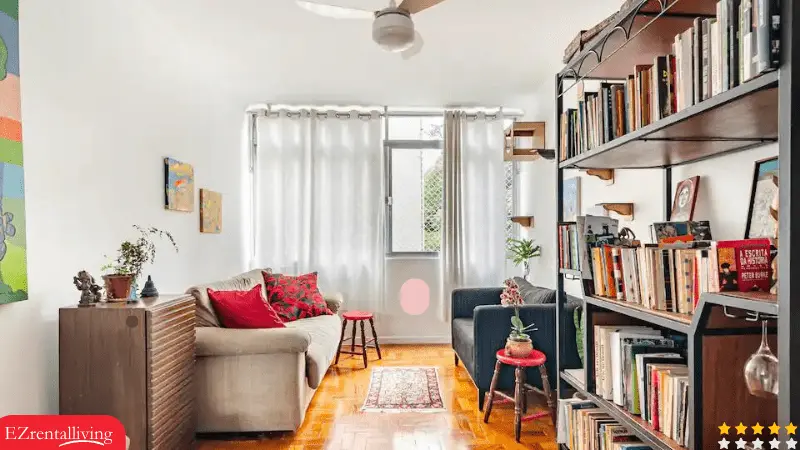
Walking into a hot apartment after a long day is miserable. The air feels thick, the walls feel warm, and even sitting still makes you sweat. Learning how to cool down an apartment without AC comes down to two things: stop heat getting in during the day, and get heat out at night.
TL;DR: How to Cool Down an Apartment Without AC
- Block the sun first. Close blackout curtains or blinds on sun-facing windows during the day, before the heat gets in.
- Flush the heat at night. When it is cooler outside than inside, open windows on opposite sides and use a box fan facing out to pull hot air out.
- Use fans the right way. Ceiling fans should spin counterclockwise in summer. Window fans work best as exhaust fans at night.
- Cut heat at the source. Switch to LED bulbs, unplug electronics you are not using, and avoid the oven on hot days.
- If you buy a machine, buy the right one. Only a vented portable AC truly lowers room temperature. An evaporative cooler only works in dry air.
If your apartment stays hot no matter what you try, start with our guide on why your apartment is so hot. It will help you work out whether the problem is the sun, airflow, or the building itself.
1. Block the Sun Before It Heats Your Apartment
Solar gain — sunlight coming through glass and turning into heat inside — is the biggest source of heat in most apartments, and once that heat is in, it is hard to get out. Close curtains or blinds on sun-facing windows in the morning, before the sun hits them. West-facing windows are worst in the afternoon, when the sun is low and strong. Blackout curtains work best, but even regular curtains closed during the hottest hours will help.
2. Add Window Film to Sun-Facing Windows
Window film is a thin, removable sheet that sticks to glass and rejects solar energy before it enters the room. Look for heat-reducing or solar-control film, not just privacy film: good film cuts glare and a large share of the sun’s heat while still letting in light. Most films are removable, but check your lease first. Apply it to west- and south-facing windows, and pair it with curtains at night.
3. Flush Hot Air Out at Night
This is called night flushing, and it is the cheapest way to actually lower your indoor temperature without AC. During the day, keep your apartment sealed up and shaded. In the evening, once it is cooler outside than inside, open windows on opposite sides to create a cross-breeze, put a box fan in one window facing out to exhaust hot air, and keep interior doors open so cool air reaches every room.
4. Create a Cross-Breeze With Box Fans
A cross-breeze moves air through your apartment: cool air in on one side, hot air out on the other. With two fans, put one in a window facing in and the second in a window on the opposite side facing out — that wind tunnel keeps fresh air moving through your living space. With one fan, use it as an exhaust fan facing out at night; pushing hot air out creates negative pressure, which pulls cooler air in through other open windows. For more on airflow, see how to vent air in an apartment.
5. Set Your Ceiling Fan to Spin Counterclockwise
Ceiling fans do not cool a room, but they make you feel much cooler. In summer, your ceiling fan should spin counterclockwise when you look up at it, pushing cool air down and creating a wind-chill effect on your skin. Use the small switch on the fan motor to change direction. Run the fan only in rooms you are using, as a fan cools people, not empty rooms.
6. Turn On Your Kitchen and Bathroom Exhaust Fans
Your bathroom and kitchen exhaust fans are not just for smells and steam — they also pull hot, humid air out of your apartment. Turn on the bathroom fan after a hot shower for 15 to 20 minutes, and turn on the range hood whenever you cook, even if it is noisy. Humidity makes heat feel worse: on a humid day, 80°F can feel like 85°F or more, so removing steam at the source makes the same temperature feel more comfortable. If cooking smells linger too, see how to get rid of smell in an apartment.
7. Seal Gaps and Weatherstrip Doors and Windows
Hot air also leaks in through gaps around windows, doors, and pipes. Removable weatherstripping — a foam or rubber strip that sticks around a door or window frame — blocks those draughts, keeps hot daytime air out, and keeps cool night air in. It peels off when you move out. Check the gap under your front door and old window frames that do not close tightly.
8. Switch to LED Bulbs and Unplug Electronics
Every appliance adds heat. Your TV, computer, games console, and light bulbs all give off heat while they run, and on a hot day that adds up fast. Switch incandescent bulbs to LED bulbs, which give off far less heat for the same light and last much longer. Unplug or switch off electronics you are not using: a desktop computer, a large TV on standby, and a games console can each add noticeable heat to a small room.
9. Cook Late, Cook Less, and Skip the Oven
Your oven is one of the biggest heat sources in a small apartment. Using it on a hot afternoon can raise your kitchen temperature by several degrees, and that heat spreads through your home. Cook after sunset, and use a microwave, air fryer, or slow cooker instead of a full oven. Eat cold meals when you can: salads, sandwiches, and fruit add no heat at all. Run the dishwasher and washing machine at night too.
10. Try Ice or a Frozen Bottle in Front of a Fan
Put a bowl of ice or a frozen water bottle in front of a fan. It works, but only within honest limits: the fan blows air over the ice, and that air feels cooler for the few feet in front of the fan. It cools you while you sit or sleep, but it does not lower the temperature of the whole room, and it stops working once the ice melts. Freeze large water bottles — they melt more slowly — in a tray to catch condensation, and refreeze them overnight.
11. Keep Interior Doors Open
Closed doors trap heat. When bedroom, bathroom, and office doors are shut, hot air builds up in each small, sealed room, and cool night air cannot reach them. Keep interior doors open whenever you can, especially at night when you are flushing hot air out, so the rooms connect into one larger space and air moves freely.
12. Cool Your Body and Your Bedroom to Sleep
Sleeping in a hot apartment is often the hardest part, because your body needs to cool down to fall asleep. Swap a heavy duvet for a light cotton sheet — cotton and linen breathe better than synthetic fabrics — and take a cool shower before bed. Aim a fan at your bed, so a steady breeze helps sweat evaporate, which is how your body cools itself.
13. Portable AC vs Evaporative Cooler: What Actually Works
If fans and shading are not enough, you may buy a machine — but the two main types are not interchangeable, and buying the wrong one for your climate wastes money. A portable air conditioner is the only option here that truly lowers room temperature: it uses a refrigerant cycle, like a normal AC, and vents hot air out of a window through a hose. It works in any climate, but costs more and needs a window that opens — check with your landlord first. An evaporative cooler, or swamp cooler, blows air across a wet pad; as water evaporates, the air cools. It uses little electricity and needs no vent, but it only works in hot, dry air. In humid air, it barely cools and leaves the room clammy.
Renter Rules: What to Check Before You Modify Anything
Most tips here need no permission: curtains, fans, LED bulbs, and cooking habits are yours to change. Ask your landlord before applying window film that is not clearly removable, installing weatherstripping that could damage paint, fitting a portable AC vent kit, or changing a ceiling fan or light fitting. Never block a vent, drill holes, or install a permanent AC unit without permission. If your apartment is dangerously hot and nothing helps, tell your landlord in writing, noting the temperature and what you have tried. This is general information, not legal advice.
If noise is also a problem when you open windows at night, see how to soundproof an apartment. If you are choosing your next apartment with heat in mind, layout and size matter too — see studio apartment vs 1 bedroom. For more practical rental advice, browse our Apartment Guides.
FAQ: How to Cool Down an Apartment Without AC
Does a fan cool a room?
No. A fan does not lower a room’s temperature. It moves air over your skin, which helps sweat evaporate and makes you feel cooler. To lower the temperature, exchange hot indoor air for cooler outdoor air at night, or use a vented portable AC.
What is the best time to open windows to cool an apartment?
Open windows in the evening and overnight, once the outdoor temperature drops below the indoor temperature. Close them again in the morning before the day heats up. Opening windows at midday lets hot air in.
How can I sleep cool without AC?
Use light cotton or linen bedding, take a cool shower before bed, and aim a fan at your bed. Open windows on opposite sides at night for a cross-breeze, and close curtains on sun-facing windows during the day so the bedroom does not heat up first.
Can I use a portable AC in a rental?
In most cases, yes, if your landlord allows the window vent kit. A portable AC needs a window that opens so it can vent hot air outside through a hose. Check your lease and ask your landlord first.
Why is my apartment hotter than outside?
Your apartment traps heat from the sun, appliances, and the building itself. Sunlight through windows creates a greenhouse effect, concrete and brick absorb heat during the day and release it slowly at night, and poor airflow lets hot air build up. Top-floor apartments are often hottest, because heat rises.
Final Thoughts
You do not need air conditioning to make a hot apartment liveable. Block the sun during the day, before it heats your home. Flush the heat out at night with a cross-breeze and a box fan facing out. Cut the heat you add yourself — LEDs, no oven, unplug what you are not using — and cool your body at night with light bedding and a fan. Pick three or four tips from this guide and try them tonight.