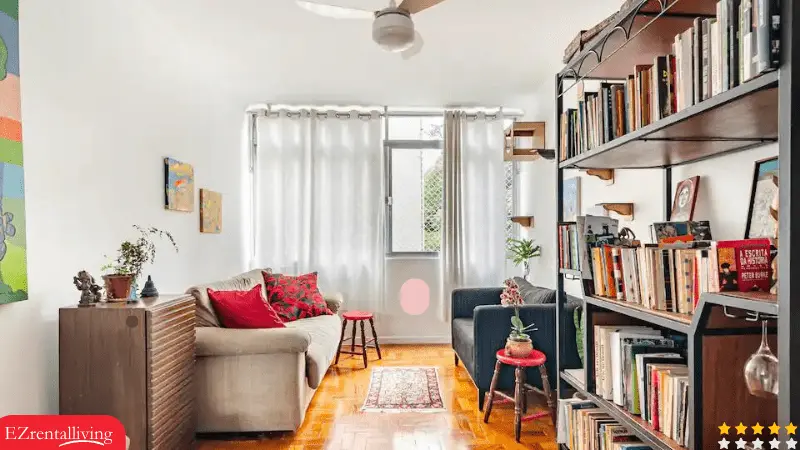
Moving into an empty apartment is exciting — until you realise you need everything. A bed, a sofa, a table, lamps, curtains, plates, a rug. It adds up fast.
The good news? You do not need $5,000 to make a rental feel like home. Most renters can furnish a first apartment well for $1,500 to $3,000, with a clear plan and smart second-hand shopping.
TL;DR
- Set a total budget first, then split it by room.
- Measure your space and buy sleep, sit, and eat essentials first.
- Buy second-hand first for wood furniture, tables, and decor. Buy your mattress new.
- Shop IKEA, Target, Walmart, Amazon, and Wayfair strategically, and wait for sales.
- Choose multi-purpose furniture, furnish one room at a time, and add decor last.
- Splurge on your mattress and sofa. Save on side tables, lamps, and decor.
Step 1: Set a Realistic Budget and Split It by Room
Without a budget, impulse buys quietly eat your savings. Decide your total first, then divide it:
- Living room: 30%
- Bedroom: 25%
- Kitchen and dining: 20%
- Decor and lighting: 15%
- Miscellaneous: 10%
| Category | $1,500 | $2,500 | $3,000 |
|---|---|---|---|
| Living room (30%) | $450 | $750 | $900 |
| Bedroom (25%) | $375 | $625 | $750 |
| Kitchen/dining (20%) | $300 | $500 | $600 |
| Decor/lighting (15%) | $225 | $375 | $450 |
| Miscellaneous (10%) | $150 | $250 | $300 |
A $1,500 budget is tight but doable with second-hand furniture. A $2,500 budget is comfortable for a one-bedroom. A $3,000 budget allows a better mattress and sofa, plus more new pieces.
Track planned vs. actual prices, and keep a $100–$200 buffer for forgotten items like curtain rods, light bulbs, a shower curtain, and cleaning supplies. See Apartment Guides.
Step 2: Measure Everything First
Furniture that does not fit is expensive to return and miserable to live with. Before you shop, measure each room, doorways, hallways, stairwells, windows, and wall space. Check elevator size if you have one.
Save measurements and photos in your phone, so you can check dimensions in seconds when a deal appears on Facebook Marketplace. Sketch a rough layout and leave at least 30 inches of walking space in main paths. In a small space, breathing room matters more than one extra piece.
Step 3: Prioritise Essentials — Needs vs. Wants
You do not need a fully furnished apartment on day one. You need to sleep, sit, eat, store clothes, and see at night.
Buy first — bedroom: bed frame and mattress, pillows and bedding, dresser or closet storage, and one lamp.
Buy first — living room: sofa, small coffee or side table, lighting, and curtains or blinds for privacy.
Buy first — kitchen and dining: table and chairs, basic cookware, plates, cups, cutlery, food storage, and a bin.
Buy first — bathroom: shower curtain, bath mat, towels, cleaning supplies, and a laundry hamper.
Buy later: bookshelves, TV and stand, accent chairs, wall art, plants, extra rugs, and a desk if you do not work from home daily. Make two lists — need now and want later — and do not let the second list jump the queue.
Step 4: Buy Second-Hand First
Second-hand furniture is the biggest way to save when furnishing an apartment. Solid wood dressers, dining tables, bookshelves, and side tables are often better made than cheap new flat-pack versions, at a fraction of the price.
Where to look: Facebook Marketplace for local sofas, tables, and moving sales — search daily and save alerts. Craigslist for free or cheap furniture at month-end. OfferUp for smaller items. Thrift stores for wood furniture, mirrors, frames, and kitchenware.
Great to buy used: solid wood dressers, tables, bookshelves, desks, dining chairs, side tables, mirrors, lamps, frames, and kitchenware.
Better to buy new: mattress, pillows, and bedding, for hygiene and warranty. Be cautious with used sofas too — check for stains, smells, pet hair, and bed bugs, and only buy from a clean, smoke-free home.
Shop safely: inspect in daylight, check drawers, joints, legs, and stability, and bring a tape measure and a friend for lifting.
Step 5: Best Budget Stores for New Furniture
Sometimes new is simpler, especially for mattresses and sofas. Pick one or two budget stores and learn their sale cycles.
IKEA: best for small-space furniture and starter storage. Look at MALM, KALLAX, LACK, BILLY, and POÄNG, and check the As-Is section for discounted floor models. It is strong for a studio apartment vs 1 bedroom setup on a tight budget.
Target: best for bedding, lighting, decor, and small furniture that looks more expensive than it is. Watch Threshold, Room Essentials, and Project 62, and home sales around holidays.
Walmart: best for very low prices on bed frames, shelving, tables, kitchen essentials, and storage. Check Mainstays and Better Homes & Gardens, and read reviews first.
Amazon: best for convenience on bed frames, mattresses in a box, storage, lamps, and curtains. Compare sellers and check return policies before ordering large furniture.
Wayfair: best for choice and frequent sales, including Way Day and Black Friday. Prices swing a lot, so compare the same item over a few days.
Step 6: DIY and Upcycling
DIY does not mean building a bed from scratch. It means small upgrades that make budget furniture look intentional.
Paint a scratched dresser or bookshelf, change the hardware — new knobs cost $2–$5 each — add short legs to a low cabinet, or use contact paper to refresh a worn tabletop.
Step 7: Choose Multi-Purpose and Space-Saving Furniture
In a small apartment, every piece should earn its place. A sofa bed gives seating by day and a guest bed at night. A storage ottoman hides blankets. A drop-leaf table stays small daily and grows for guests. A bed with storage drawers or under-bed boxes uses wasted space.
Add nesting tables, foldable chairs, and a bookshelf as a room divider in a studio. Avoid oversized furniture, even if it is cheap. See how to vent air in an apartment.
Step 8: Furnish in Phases, One Room at a Time
Trying to furnish everything in one weekend leads to rushed choices and overspending.
Phase 1 — Sleep, Eat, Sit (Week 1): mattress and bedding, sofa, dining table and chairs, basic kitchen essentials, lighting, and curtains. If you can sleep well, eat at a table, and sit comfortably, the apartment is liveable.
Phase 2 — Storage and Lighting (Weeks 2–4): dresser, bookshelves, shoe storage, extra lamps, bathroom organisation, and a desk if needed.
Phase 3 — Decor (Month 2 onwards): rugs, wall art, mirrors, throw pillows, blankets, and plants.
After living in the space for a few weeks, you will know what it actually needs. Give yourself permission to live with an unfinished apartment for a while.
Step 9: Decorate Cheap — Without Looking Cheap
Too much cheap decor looks cluttered. A few thoughtful touches look polished. Start with textiles: a rug, curtains, and bedding change a room more than ten small ornaments. Choose one palette — warm neutrals with one accent colour — and stick to it.
A large rug makes a small room feel bigger. Hang curtains high and wide, in a light fabric. Layer lighting with a floor lamp and bedside lamp, using warm bulbs (2700K–3000K). Add one or two low-maintenance plants like pothos or a snake plant for under $20.
For art, use free printable art, photos you own, and thrifted frames. A large second-hand mirror reflects light and makes a room feel bigger. If heat is also an issue, read why is my apartment so hot.
Step 10: Where to Splurge vs. Save
Splurge on: a mattress — a good mattress in a box ($300–$600) is a reasonable investment. A sturdy sofa with comfortable cushions and, if possible, washable covers. Good pillows and breathable sheets. A good chair if you work from home.
Save on: side tables and nightstands, bookshelves and storage, lamps, dining chairs, decor, frames, and textiles. Thrift stores, sales, and DIY can cover most of this.
Test: if you touch it, sit on it, or sleep on it daily, spend more. If you mostly look at it, spend less.
Common Mistakes to Avoid
- Buying everything at once and overspending on pieces you do not need.
- Skipping measurements — a “great deal” sofa is not a deal if it will not fit through the door.
- Buying a cheap mattress and paying for it with back pain.
- Ignoring lighting — a dark apartment feels small, even with nice furniture.
- Buying matching sets for everything — mixing textures looks more lived-in.
- Forgetting hidden costs like delivery, curtain rods, bedding, and cleaning supplies.
- Filling every corner — empty space is not wasted space.
Room-by-Room Starter Checklist
Bedroom: bed frame, mattress, pillows (2), duvet and cover, sheets, dresser, bedside table, bedside lamp, curtains, laundry hamper.
Living room: sofa, coffee or side table, floor or table lamp, curtains, rug, TV stand (if needed), bookshelf, throw blanket and cushions.
Kitchen and dining: dining table, chairs (2–4), plates, bowls, cups, cutlery, pots, pans, utensils, chopping board and knives, food storage, bin, dish towels, cleaning supplies.
Bathroom: shower curtain, bath mat, towels (2–3 per person), toilet brush and plunger, storage caddy, mirror (if not provided).
General: cleaning supplies and broom or vacuum, light bulbs, extension leads, basic toolkit, door mat.
FAQ
How much does it cost to furnish an apartment?
Most renters spend $1,500 to $3,000 for a one-bedroom, and $1,000 to $2,000 for a studio, especially with second-hand furniture. A larger two-bedroom can cost $3,000 to $5,000 or more.
What should I buy first when furnishing an apartment?
A mattress and bedding first, then a sofa, then a dining table and chairs. After that, add storage, lighting, and kitchen essentials. Decor comes last.
Is second-hand furniture safe?
Yes, if you inspect it carefully. Solid wood furniture, tables, shelves, lamps, and decor are usually safe. Check for stability, damage, smells, stains, and pests. Be cautious with upholstered furniture and mattresses — avoid anything stained, smelly, sagging, or showing signs of bed bugs. When in doubt, buy your mattress and pillows new.
How do I furnish a studio apartment on a budget?
Focus on multi-purpose furniture: a sofa bed, storage ottoman, drop-leaf table, and bed with under-bed storage. Use a bookshelf or curtain as a divider. Buy less overall — in a studio, every extra piece makes the space feel smaller.
What is the cheapest way to furnish an apartment?
Buy second-hand first, from Facebook Marketplace, thrift stores, and end-of-month moving sales. Check Buy Nothing groups and university move-out periods for free furniture. Shop budget stores during sales, choose multi-purpose pieces, and furnish in phases.
Final Thoughts
Furnishing an apartment on a budget is not about cutting corners. It is about intentional choices: a good mattress, a comfortable sofa, solid second-hand wood furniture, and decor you add slowly.
Start with a budget. Measure your space. Buy essentials first. Let second-hand finds and sales do the heavy lifting.
If you are comparing short-term stays before a longer lease, see what is a private room on Airbnb and how to book Airbnb for someone else.