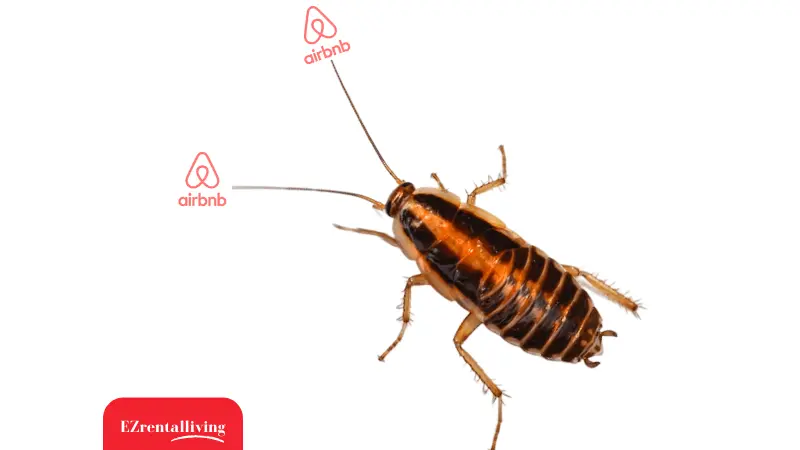
Finding bugs in an apartment is unsettling, and it is also common. Apartments share walls, pipes and vents, so a pest problem in one unit can travel to the next. Most bug problems have a clear fix — if you identify the pest first, remove what attracts it, and act early. For more practical rental advice, browse our Apartment Guides.
TL;DR: How to Get Rid of Bugs in an Apartment
- Identify the pest first. Cockroaches, ants, bed bugs and mice need different treatments.
- Remove food, water and shelter. Clean up crumbs, store food sealed, fix leaks, take the trash out daily.
- Seal entry points. Caulk gaps around pipes, windows and baseboards; block holes with copper mesh.
- Use baits, not sprays, for roaches and ants. Baits reach the colony; sprays scatter it.
- Bed bugs and German cockroaches need a professional. So do large or returning infestations.
- Tell your landlord early, in writing. Pests travel between units.
Identify the Bug First
Before you buy anything, work out what you are dealing with. The signs and the first move are different for each pest.
| Pest | Signs | First move |
|---|---|---|
| Cockroaches | Droppings like black pepper, musty smell | Gel baits, seal gaps, remove food and water |
| Ants | Trails to food | Liquid ant baits, wipe trails, seal entry points |
| Bed bugs | Itchy bites in lines, blood spots on sheets | Encase mattress, wash bedding hot, call a pro |
| Spiders | Webs in corners | Seal cracks, remove their food source |
| Mice | Droppings, gnaw marks, scratching at night | Snap traps, copper mesh, sealed food containers |
| Fleas | Bites around ankles, pets scratching | Wash pet bedding hot, vacuum, treat pets |
| Drain flies | Tiny flies near sinks | Clean drains, fix leaks, dry the area |
Cockroaches in an Apartment
Cockroaches are the most common serious apartment pest. They hide by day and come out at night, so seeing one usually means there are more you cannot see.
Remove what they need first. Clean up crumbs and spills the same day, store food in sealed containers, do not leave pet food out overnight, and take the trash out daily. Fix dripping taps, because roaches need water as much as food. Clean behind the fridge and stove, where grease collects, and seal entry points with caulk around pipes, windows and baseboards.
For treatment, use gel baits and bait stations, not sprays. Gel bait is carried back to the nest, where it kills more roaches.
German cockroaches — small, light brown, with two dark stripes behind the head — are the hardest type to remove. If you see them regularly, or in the daytime, call a professional. Learning how to get rid of roaches in an apartment starts with bait and sealing, but an established infestation is a professional job, and the whole building may need treating at once.
Ants in an Apartment
Ants are usually easier to remove than roaches — if you treat the colony, not just the ants you can see. The ants in your kitchen are workers following a scent trail to food. Killing them one by one does nothing, because the colony sends more.
Use liquid ant baits instead: workers carry the bait back to the colony, where it kills the queen and the nest. Place bait stations along the trails you have seen, and be patient — it can take several days to work. While the bait works, wipe the trails with vinegar or soapy water, clean up crumbs, store food sealed, and do not leave dirty dishes in the sink overnight.
Do not spray the trail with insecticide. Sprayed ants scatter, and the colony may split into smaller colonies, which makes the problem worse. If ants keep returning after a week of baiting, or you find them in several rooms, tell your landlord. The nest may be inside the wall, where only a professional can reach it.
Bed Bugs: Call a Professional
Bed bugs are the one pest on this list you should not try to handle alone. They are small, flat, reddish-brown insects that feed at night, hide in mattress seams, bed frames and headboards, and spread easily between apartments through walls, furniture and luggage.
The signs are itchy bites in lines or clusters, often on arms, neck or legs; tiny blood spots on sheets; and shed skins in mattress seams. If you suspect bed bugs, do not move infested furniture or bedding into other rooms — that spreads them.
What you can do right away: wash bedding and clothes in hot water, vacuum the mattress and bed frame, and fit a bed bug-proof mattress encasement.
Then call your landlord in writing, the same day. Bed bug treatment is almost always a professional job, involving heat treatment or targeted insecticide by a licensed controller, often across several visits. A bed bugs apartment problem is a building problem, and treating one unit while the next unit is infested will not work.
Spiders and Mice
Spiders are usually harmless and follow their food — remove the insects they eat, seal cracks, and vacuum webs regularly.
Mice are a different matter. Look for droppings, gnaw marks on food packaging or cables, and scratching sounds at night. Mice enter through holes as small as a pencil — check around pipes, vents and the gaps behind appliances. Block holes with copper mesh or steel wool, held in place with caulk.
Store food in sealed glass or metal containers, including pet food, and take the trash out daily. Use snap traps along walls and behind appliances, where mice travel. If you keep catching mice, or you hear them in the walls, tell your landlord.
Fleas and Drain Flies
Fleas usually arrive with pets, or with previous tenants. Wash pet bedding in hot water, vacuum carpets, rugs and upholstery thoroughly, and empty the vacuum straight away. Treat your pet with a vet-approved flea treatment, and repeat the vacuuming every few days for two weeks, because flea eggs keep hatching.
Drain flies are the tiny flies you see near sinks, showers and bathtubs. They breed in the slime inside drains and overflow pipes. The fix is cleaning, not spraying: scrub the drain with a brush, pour boiling water down it, and clean the overflow. Fix any leaks and dry the area. If they keep coming back, the problem may be a broken pipe or a blocked drain, which is a landlord job.
Natural Methods That Work — and Ones That Don’t
Some natural options do work, when used correctly. Food-grade diatomaceous earth — a fine powder made from fossilised algae — can kill crawling insects by damaging their outer coating. It only works when it stays dry, so use it in dry cracks and behind appliances, not in damp areas, and keep it away from pets and children. Boric acid, used in small amounts in cracks and behind appliances, is also effective against roaches and ants, but it is toxic if eaten, so keep it well away from children and pets and follow the label.
What does not work reliably: bay leaves, coffee grounds, essential oils and ultrasonic plug-ins. Natural methods can help a small, early problem — they are not a substitute for baits or professional treatment once an infestation is established.
When to Tell Your Landlord — and Call a Pro
Tell your landlord early, in writing, as soon as you find a pest problem — do not wait to see if it goes away on its own. In apartments, pests travel between units through walls, pipes and vents, so a problem in your flat may be coming from next door, and a problem in your flat may be spreading to others.
Landlord pest control responsibility varies by location and by lease, but in most cases the landlord is responsible for infestations caused by the building — gaps in walls, faulty pipes, or pests that were there before you moved in — and for arranging building-wide treatment. You are usually responsible for keeping your apartment clean and reporting problems promptly.
Call a professional for bed bugs, German cockroaches, large infestations, or problems returning after two to three weeks of DIY treatment. For the landlord-reporting process, see our guide on how to deal with noisy neighbors.
Prevention: Keep Bugs Out for Good
Prevention is mostly cleaning, sealing and storage. Store food in sealed containers, with no food out overnight, including pet food. Take the trash out daily, and keep the bin clean and lidded. Fix leaks quickly: dripping taps, leaking pipes and damp areas attract roaches, drain flies and mold. For the mold side of damp, see how to get rid of mold in an apartment.
Seal gaps when you move in and check them yearly. Clean weekly — see how to clean an apartment — inspect secondhand furniture before bringing it inside, and ventilate damp areas: see how to vent air in an apartment and how to get rid of smell in an apartment.
FAQ: How to Get Rid of Bugs in an Apartment
What is the fastest way to get rid of bugs in an apartment?
Identify the pest first, then use the right treatment: gel baits for cockroaches, liquid baits for ants, snap traps for mice. Clean up food and water, seal entry points, and tell your landlord in writing.
Who is responsible for pest control in an apartment?
Generally the landlord handles building-wide infestations and pests caused by the building, while the tenant handles cleaning and prompt reporting. Report pests in writing, with photos.
How do I get rid of cockroaches permanently?
Use gel baits, seal gaps, remove food and water, and clean behind the fridge and stove. If roaches return after two to three weeks, call a professional.
Can I get rid of bed bugs myself?
No, not reliably. Wash bedding hot, vacuum, and fit a mattress encasement, but treatment needs a licensed professional, usually with heat treatment across several visits. Tell your landlord the same day.
Do natural remedies work for apartment bugs?
Some do, in limited cases: food-grade diatomaceous earth kept dry, and boric acid used carefully, can help a small, early problem. Bay leaves, coffee grounds and ultrasonic plug-ins are not reliable.
Final Thoughts
Getting rid of bugs in an apartment comes down to three steps: identify the pest, remove what attracts it, and use the right treatment — baits for roaches and ants, traps for mice, and a professional for bed bugs, German cockroaches and large infestations. Tell your landlord early, in writing, because pests travel between units and the building may need treating as a whole.
Act early, keep the apartment clean and sealed, and the bugs have nowhere to live. If you are moving into a new place, our guides on how to move into an apartment and how to live with roommates will help you check for pest signs before you sign. If you are decorating a new place on a budget, see how to decorate an apartment on a budget.